
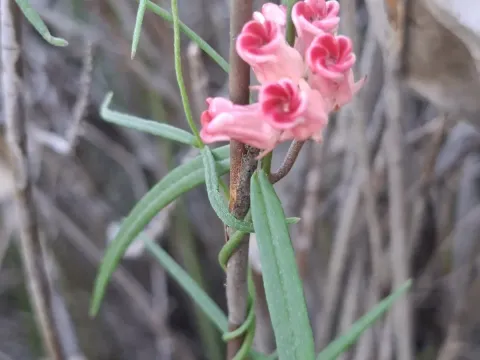
Microloma
Microloma
Microloma is a genus of perennial climbing plants belonging to the Apocynaceae family. These plants are native to the arid regions of Southern Africa and are highly valued for their unique morphology and succulent stems.
What the section contains

Microloma
Botanically, they exhibit specialized adaptations to desert environments, including tuberous roots or thickened stems designed to store water during periods of prolonged drought. Their foliage is often reduced, facilitating survival in harsh conditions.
Cultivation requires a substrate that mimics the native environment, specifically a well-draining, sandy-gritty soil mix. Ensuring adequate drainage is the most critical factor in preventing the death of the root system due to waterlogging.
Environmental conditions must prioritize high light intensity and warmth. In greenhouse settings, it is essential to provide full exposure to sunlight and maintain temperatures well above freezing throughout the entire year.
The agricultural management of Microloma involves minimal watering during the growing season and complete dry conditions during the winter dormancy period. Proper spacing and ventilation are necessary to ensure the health of the climbing stems.
Fungal infections, particularly root rot, represent the primary threat to the health of Microloma when soil moisture levels are not strictly controlled or drainage is inadequate.
Common greenhouse pests, such as mealybugs and spider mites, can severely impact the vitality of the plant. Regular monitoring and integrated pest management strategies are vital for maintaining healthy specimens in greenhouse conditions.