
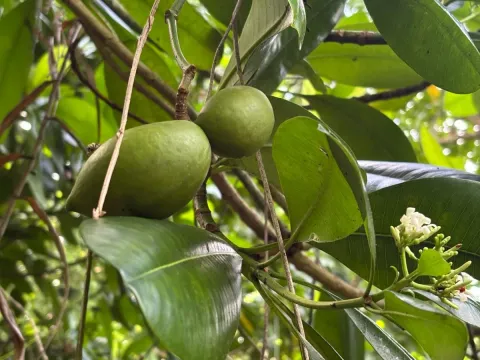
Ochrosia
Ochrosia
Ochrosia is a genus of evergreen trees and shrubs belonging to the Apocynaceae family. Most species of this plant prefer tropical and subtropical regions, requiring high atmospheric humidity and consistently warm temperatures throughout the year.
What the section contains


Ochrosia
For successful growth, Ochrosia requires well-drained, fertile soils with a neutral or slightly acidic pH level. The plant does not tolerate waterlogging in the root zone, so it is essential to ensure a high-quality drainage system when selecting a planting site.
The culture is light-loving, but in its early stages, it can tolerate partial shade. The optimal temperature range for vegetation is 22–30°C, and the plant is highly sensitive to low temperatures, being unable to withstand even short-term frosts.
Agricultural practices include regular but moderate watering during dry spells and periodic application of complex mineral fertilizers. In industrial settings, Ochrosia is grown on open plantations with mandatory consideration for wind protection.
Propagation of Ochrosia is primarily carried out through seeds or cuttings in greenhouse conditions. Young seedlings require gradual acclimatization to direct sunlight and strict control over substrate moisture levels.
The economic use of Ochrosia is mainly directed towards the extraction of secondary metabolites with pharmacological activity. The leaves and bark of certain species contain specific alkaloids that are in demand within the pharmaceutical industry.
Biomass yield depends on the intensity of agronomic care and planting density. Raw material harvesting is usually conducted during peak growth phases, when the concentration of target compounds in plant tissues reaches its maximum.
In ornamental gardening, Ochrosia is valued for the aesthetic appearance of its leaves and striking fruits. Productivity in this sector is measured by the number of saleable specimens grown to specific canopy parameters.
Ochrosia wood also finds application in the production of small carpentry items due to its durability and texture. However, due to its slow growth rate, industrial timber harvesting remains limited.
The assessment of overall plantation productivity is based on the analysis of active components in dry mass, which serves as the primary criterion for the economic efficiency of cultivating this species.
Ochrosia is susceptible to damage by typical tropical pests, such as scale insects and mealybugs. These insects damage leaf blades by sucking sap, which can lead to a general decline in the tree's vigor and stunted growth.
Fungal infections, resulting from excessive humidity and poor ventilation, pose a significant threat. Among the most frequent issues are root rot and leaf spots of various etiologies.
Control measures include regular monitoring of the plantations and the use of biological control agents. Chemical pesticides are applied strictly according to a schedule, considering the required pre-harvest interval.
Disease prevention involves maintaining optimal spacing between plants to improve air circulation. Disinfecting tools during pruning is a critical step to prevent the spread of pathogens.
Upon detection of infection outbreaks, affected plant parts must be immediately removed and disposed of off-site to prevent the spread of the disease to healthy specimens.