
Horsetail milkweed
Asclepias subverticillata (A. Gray) Vail
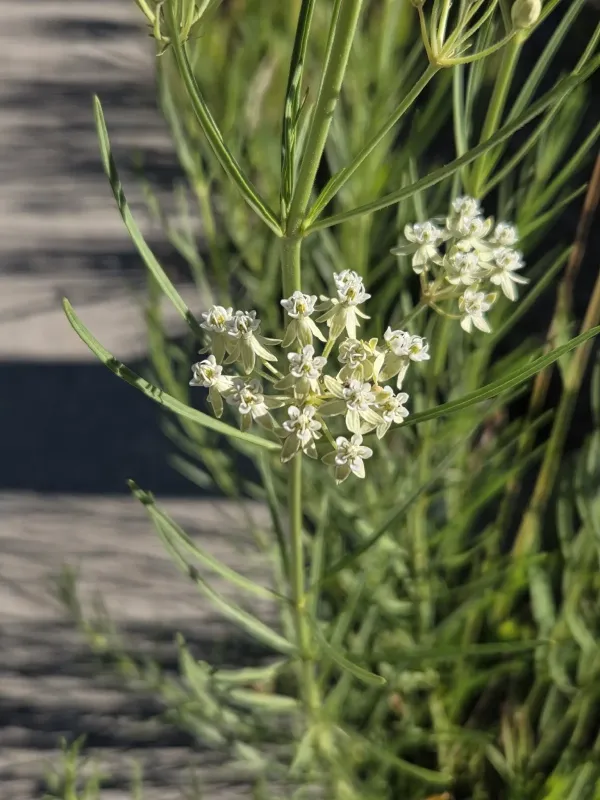
Description
Growing requirements
Horsetail milkweed (Asclepias subverticillata) is a perennial herbaceous plant belonging to the Apocynaceae family. Native to North America, it is widely recognized for its distinctive appearance and wide environmental adaptability.
The plant features slender, whorled leaves surrounding a central stem, reaching heights typically between 30 and 90 centimeters. Its structure is optimized for conservation of water in arid or semi-arid climates.
It thrives in well-drained soils, often favoring sandy, gravelly, or rocky substrates. It is exceptionally drought-tolerant and can persist in harsh conditions where other vegetation might struggle to survive.
Full sun exposure is a critical requirement for this species. It exhibits poor growth in shaded environments, where its competitiveness against other plant species is significantly reduced.
From an agricultural standpoint, the plant is primarily known as a toxic weed. It contains cardiac glycosides that pose a severe health risk to grazing livestock, including cattle, sheep, and horses.
Main diseases and pests
The plant spreads efficiently through an extensive root system, allowing it to form dense colonies that outcompete desirable forage species in pastures and rangelands.
Natural pests include specialized aphids and caterpillars that have evolved mechanisms to sequester the plant's toxins. While these insects cause visible damage, they rarely eradicate the population.
Fungal pathogens such as leaf spot or root rot can affect the plant, particularly in areas with poor drainage or stagnant air, though these are secondary factors in its overall vitality.
Management strategies focus on physical removal of rootstocks to prevent spread. Persistent cultivation is necessary because even small fragments of the root can regenerate into new plants.
Herbicidal control is often challenging due to the plant's physiological tolerance to many standard agrochemicals, necessitating careful selection and timing of specialized treatments.