
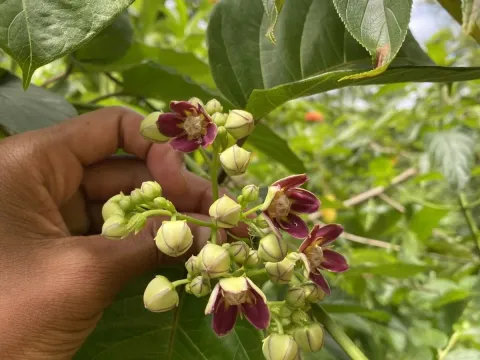
Mondia
Mondia
Mondia whitei, commonly known as White's ginger, belongs to the Apocynaceae family. This vigorous, perennial climbing plant is native to tropical and southern Africa and has become highly sought after for its aromatic roots used in traditional medicine and culinary practices.
What the section contains

Mondia
Successful cultivation of Mondia requires well-draining, nutrient-rich soil. The plant thrives in sandy or loamy textures that allow for good aeration. Waterlogging is the primary cause of plant failure, making proper site selection and drainage management critical factors for any grower.
Climatically, the plant prefers warm conditions with temperatures consistently between 20°C and 30°C. Mondia is not cold-hardy, and frost exposure will cause severe foliage damage or death. Consistent exposure to sunlight is beneficial, but young plants require shelter from direct, intense rays during the hottest hours.
Maintenance involves regular weeding, especially during the first year of establishment. Given the climbing nature of the species, growers must provide sturdy vertical supports or trellises. This ensures proper airflow, reduces disease pressure, and maximizes root yield per hectare.
Soil fertility management should involve the addition of organic compost. While the plant is relatively hardy once established, periodic fertilization with balanced nutrients helps sustain vigorous vine growth and increases the production of essential oils within the root system.
Propagation is most commonly achieved via seeds, which should be planted in well-draining nursery trays. Seed viability decreases over time, so using fresh seeds harvested from mature pods is highly recommended to ensure a high germination rate.
When sowing, place seeds at a shallow depth of approximately 1-2 centimeters. Keep the growing medium consistently moist but not saturated. Germination usually occurs within 3 to 6 weeks, depending on the ambient temperature and soil humidity levels.
The harvesting of Mondia roots typically begins 24 to 36 months after planting, depending on the desired root thickness and concentration of active compounds. Experienced growers check for root development by carefully probing the soil at the base of the vine.
Harvesting is labor-intensive as it involves digging out the large, tuberous roots without causing excessive damage. After harvesting, roots are separated from the aerial parts, washed to remove soil, and cut into manageable pieces for efficient drying.
Drying is a critical stage that determines the final quality of the medicinal product. The roots should be dried slowly in a shaded, well-ventilated area until they become brittle. Proper drying prevents fungal growth and preserves the unique aroma and therapeutic properties of the roots.