
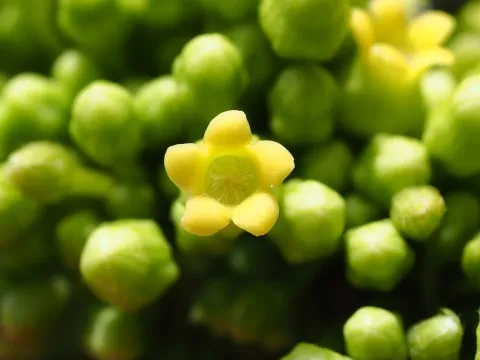
Marsdenia
Marsdenia
Marsdenia is a diverse genus within the Apocynaceae family, encompassing perennial vines and shrubs with significant agricultural and medicinal potential. These plants are widely recognized for their secondary metabolites and robust fiber properties.
What the section contains


Marsdenia
Originating from tropical and subtropical climates, Marsdenia requires high temperatures and consistent warmth throughout the year. It does not tolerate frost, making it suitable only for regions with a long, stable growing season or controlled environments.
The ideal soil for cultivation is well-drained, nutrient-rich, and slightly acidic to neutral. High organic matter content significantly boosts growth, while waterlogged conditions must be strictly avoided to prevent root system degradation.
Light intensity is a critical factor for successful production. Marsdenia plants thrive under full sun or light shade, requiring maximum solar exposure to promote the synthesis of the compounds that give these plants their commercial value.
Agronomic practices typically involve the installation of support structures, such as trellises, as the vine growth habit necessitates vertical space. Proper pruning is essential to manage canopy density and facilitate efficient nutrient distribution.
The primary pathological threats to Marsdenia include fungal diseases such as root rot and leaf spot, which are often triggered by excessive soil moisture and inadequate air circulation. Maintaining dry foliage is a key management strategy.
Pest management is focused on controlling spider mites, aphids, and scale insects. These pests feed on the phloem of the plant, potentially spreading viral diseases and severely weakening the plant's overall vigor.
Integrated Pest Management (IPM) is highly recommended. By utilizing natural predators and biorational pesticides, farmers can protect the integrity of the harvest, which is especially important for medicinal varieties.
Soil-borne nematodes can pose a significant challenge in sandy soils. Implementing crop rotation cycles helps disrupt the lifecycle of these organisms, ensuring the long-term productivity of the planting site.
Field scouting should be performed regularly to detect early signs of infestation. Early intervention with localized treatments is significantly more effective than broad-spectrum applications when managing health issues in Marsdenia crops.