
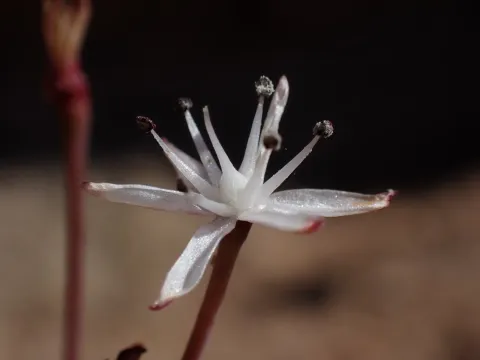
Strumaria
Strumaria
Planting Strumaria bulbs is best performed during the dormancy phase, typically at the transition from late summer to autumn. Proper timing ensures the bulbs develop roots before the arrival of the wet season, mimicking their natural life cycle.
What the section contains
 Strumaria
 hybrids
Strumaria
Strumaria hybrids
 Strumaria aestivalis
Strumaria aestivalis
Strumaria aestivalis
 Strumaria argillicola
Strumaria argillicola
Strumaria argillicola
 Strumaria barbarae
Strumaria barbarae
Strumaria barbarae
 Strumaria discifera
Strumaria discifera
Strumaria discifera
 Strumaria merxmuelleriana
Strumaria merxmuelleriana
Strumaria merxmuelleriana
 Strumaria phonolithica
Strumaria phonolithica
Strumaria phonolithica
 Strumaria salteri
Strumaria salteri
Strumaria salteri
 Strumaria spiralis
Strumaria spiralis
Strumaria spiralis
 Strumaria truncata
Strumaria truncata
Strumaria truncata
Strumaria
When propagating by seeds, fresh seeds should be sown immediately after maturation. They require a very light, grit-based soil mix and should be covered only slightly with a fine layer of sand or substrate to ensure proper light exposure for germination.
Optimal germination occurs at temperatures between 15°C and 20°C. Maintaining consistent moisture in the germination tray is crucial; however, waterlogging must be avoided to prevent early seedling rot.
Bulbs should be planted at a shallow depth, often with the neck exposed or just level with the soil surface. This technique prevents moisture from settling around the bulb scales, which is a common cause of failure in cultivation.
Spacing should be managed to prevent overcrowding, especially if the plants are kept in containers. A minimum gap of 10 centimeters between bulbs facilitates good airflow, which is essential for the health of the foliage.
Strumaria belongs to the Amaryllidaceae family and is native to the winter-rainfall regions of South Africa. It is a highly specialized geophyte, adapted to surviving dry, hot summers underground as a dormant bulb.
These plants demand high light intensity for healthy growth and flower development. In indoor or glasshouse conditions, placing them in direct sunlight for most of the day is essential to prevent etiolation and weak flowering stalks.
The growing medium must be highly inorganic, consisting primarily of coarse sand, perlite, and a small amount of peat or organic loam. The drainage properties of the pot or bed must be excellent to prevent root suffocation.
Temperature management follows the seasonal patterns of the Cape region. Plants require cool, moist winters for active vegetative growth and dry, warm temperatures during the summer dormancy period.
Watering frequency should strictly follow the plant's phenological stage. Regular moisture is needed only when leaves are active; once the foliage turns yellow and dies back, all irrigation must cease until the next growth cycle.
Fungal pathogens, particularly Fusarium and Pythium, are the primary threats to Strumaria. These diseases typically strike when the drainage is insufficient or when the soil remains damp during the summer dormancy.
Amaryllis mealybugs are a significant pest concern, often colonizing the bulb scales and protected spaces between leaf bases. They can severely weaken the plant by sucking sap, leading to stunted growth.
Spider mites represent another common threat in dry, indoor environments with stagnant air. Infestations are often noticed only after visible stippling or yellowing appears on the leaves, necessitating immediate chemical intervention.
Control strategies involve a combination of strict cultural practices and the use of targeted systemic pesticides. Sanitation is paramount; never reuse old potting soil that has housed an infected specimen.
Preventative care through proper dormant-season management is the most effective way to avoid these issues. Keeping the bulbs dry and cool during summer significantly reduces the risk of fungal proliferation and insect infestation.