
Strumaria spiralis
Strumaria spiralis
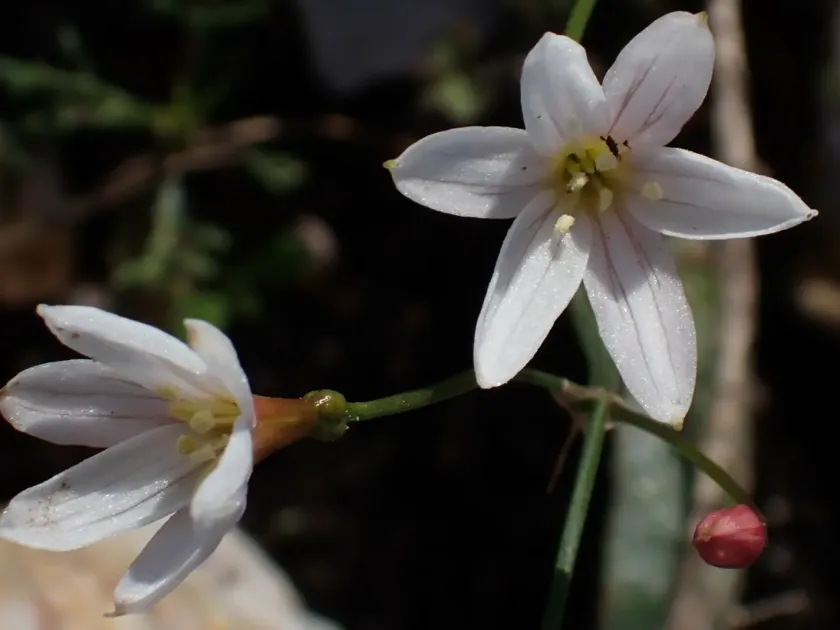
Description
Growing requirements
Strumaria spiralis is a unique bulbous plant belonging to the Amaryllidaceae family, renowned for its distinctive morphology. Originating from the arid regions of Southern Africa, this species has evolved to thrive in environments with dramatic seasonal shifts, characterized by distinct wet and dry cycles.
The botanical highlight of this plant is its spiral-shaped foliage, which typically emerges in accordance with its blooming phase. Its small, tightly-scaled bulb is a specialized storage organ that allows the plant to survive during harsh, drought-prone months in its native succulent-rich habitat.
To cultivate Strumaria spiralis successfully, one must provide a highly porous, sandy substrate that mimics the drainage conditions of its natural range. Waterlogging is the primary cause of failure; thus, the soil must facilitate rapid water movement to prevent the bulb from decaying during dormancy.
This plant is strictly light-demanding, requiring ample direct sunlight to maintain its structural integrity and photosynthetic efficiency. Adequate light exposure is essential for the bulb to accumulate enough energy to produce flowers, making sunny, open positions or well-lit glasshouse environments mandatory.
Managing the growth cycle involves strict adherence to a dry-summer dormancy regimen. While the plant requires moisture during its growing period to support active foliage and floral development, maintaining a bone-dry substrate throughout the resting period is critical for simulating the natural arid climate.
Main diseases and pests
The primary threats to Strumaria spiralis include bulb rot pathogens, often triggered by excessive moisture or poor aeration within the root zone. Proper sterilization of the growing medium and the implementation of a strict watering schedule are the most effective preventative measures against fungal outbreaks.
Pests such as mealybugs and spider mites represent common challenges, particularly in indoor cultivation environments. Regular physical inspection and the targeted application of biological or chemical controls are recommended to ensure the plant remains free from infestations that could deplete its stored reserves.