
Sternbergia colchiciflora
Sternbergia colchiciflora
Description
Growing requirements
Sternbergia colchiciflora is a perennial bulbous plant belonging to the Amaryllidaceae family. Naturally found in the dry, rocky slopes and steppes of Southern Europe and the Mediterranean, this species is highly adapted to arid environments and intense solar exposure throughout the year.
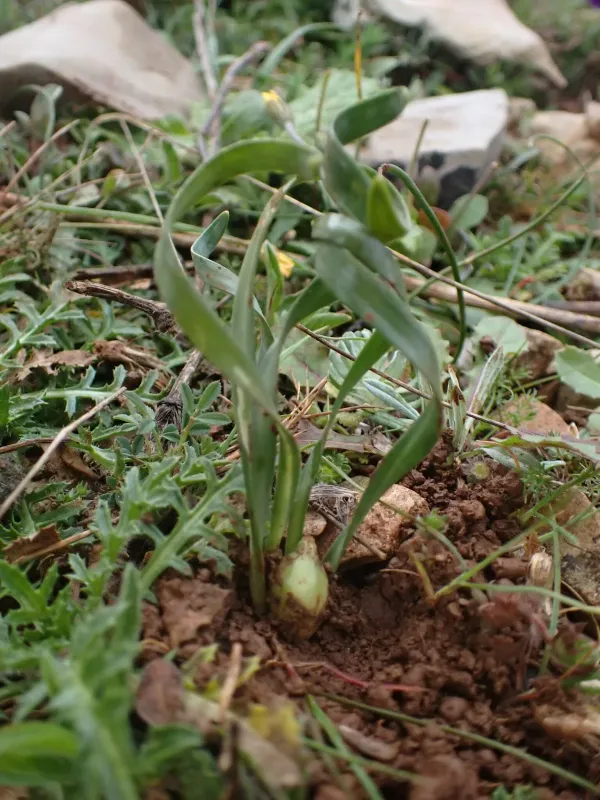
The plant exhibits a unique phenological cycle characterized by autumn flowering, where the blooms emerge directly from the soil without accompanying foliage. The leaves develop during the spring season and wither completely by early summer, marking the beginning of the bulb's dormant phase.
For successful cultivation, the plant requires excellent drainage and a light, well-aerated soil composition. It thrives in neutral to slightly alkaline environments and must be protected from stagnant moisture, which is the primary cause of physiological stress and bulb degradation in this species.
Sufficient light exposure is a non-negotiable requirement. Sternbergia colchiciflora must be positioned in full sun to ensure the bulb stores enough energy for the subsequent flowering period. Limited light exposure typically results in poor flowering performance and overall decline of the plant's vigor.
Watering management is critical: moisture should only be provided during the spring leaf growth phase. During the hot summer months, the soil must remain dry to simulate the Mediterranean climatic conditions to which the plant is evolutionarily adapted, preventing the development of subterranean rot.
Main diseases and pests
The most significant threats to Sternbergia colchiciflora are fungal infections, specifically basal rot and Fusarium wilt, triggered by improper soil moisture management. Ensuring a high-quality mineral-based substrate is the best preventive measure against these pathogens.
Pests such as bulb mites and various soil-dwelling insects can cause localized damage to the bulb tissues. Regular inspection of the bulbs before planting and the application of appropriate preventive treatments are essential to maintain a healthy and viable population of this ornamental plant.