
Strumaria phonolithica
Strumaria phonolithica
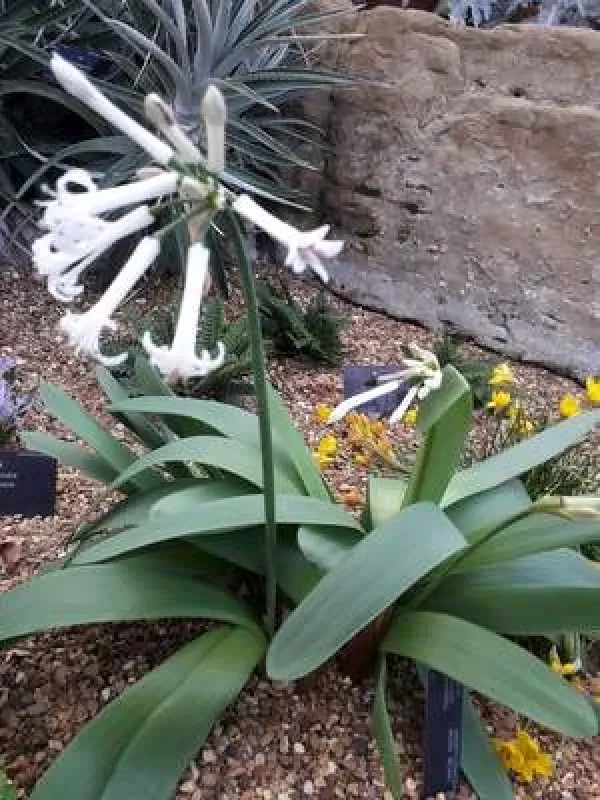
Description
Growing requirements
Strumaria phonolithica is a distinct species within the Amaryllidaceae family, native to the arid and rocky regions of South Africa. This bulbous perennial is highly specialized, having evolved to thrive in environments where organic matter is scarce and mineral composition is high.
The plant possesses a small, resilient bulb capable of storing moisture through dry seasons. Its leaves are usually narrow and prostrate, adapting to the harsh winds and intense light characteristic of its native phonolite rock habitats.
Cultivation of this species requires meticulous attention to drainage. A substrate composed primarily of grit, granite sand, and crushed rock is mandatory. Standard potting soil is unsuitable as it tends to retain too much moisture, which is lethal to this specialized bulb.
Regarding light, Strumaria phonolithica prefers bright, indirect light. In greenhouse settings, supplemental lighting may be necessary if the natural intensity is insufficient, but direct exposure to harsh noon sun can damage the foliage.
Climatic requirements involve distinct cycles of wetting and drying. The grower must mimic the seasonal rainfall of its natural habitat, keeping the plant relatively dry during its dormant phase and providing moderate, controlled irrigation during its active growth period.
Main diseases and pests
The primary threat to the health of Strumaria phonolithica is root rot caused by stagnant water in the root zone. Once the bulb tissues begin to decay due to excessive moisture, the plant is extremely difficult to save.
Pests such as mealybugs and spider mites are common in indoor collections. These pests often hide between the leaf bases or deep within the bulb scales, making them difficult to detect until they cause significant damage.
Root-feeding nematodes can also pose a serious risk, especially if the soil medium is not properly sterilized before planting. These microscopic threats disrupt the plant's ability to take up water and nutrients effectively.
Fungal pathogens like Fusarium can be introduced through contaminated water or tools. Maintaining a hygienic environment and using sterilized pots is crucial for the long-term survival of the collection.
Environmental stress, such as poor airflow or lack of temperature fluctuation, can weaken the plant's natural defenses, making it more susceptible to opportunistic infections. Maintaining a constant but gentle breeze is recommended.