
Strumaria merxmuelleriana
Strumaria merxmuelleriana
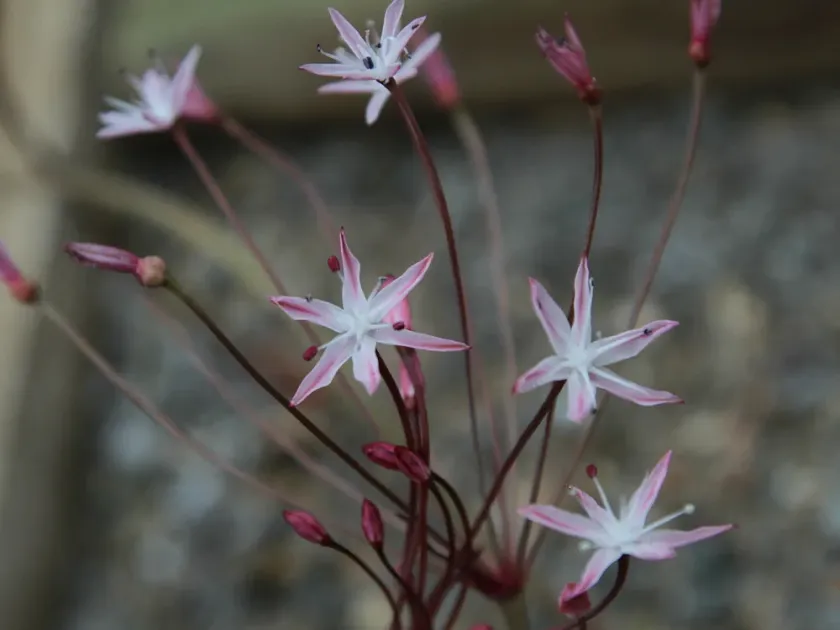
Description
Growing requirements
Strumaria merxmuelleriana is a unique bulbous plant belonging to the Amaryllidaceae family, native to the arid regions of Southern Africa, specifically Namibia. It is a geophyte adapted to harsh environmental conditions with distinct seasonal rainfall.
The plant exhibits a specialized growth cycle, where vegetative development occurs during cooler months, followed by a mandatory dry dormancy period. Understanding this biological rhythm is essential for successful cultivation of this rare species.
Soil requirements focus on extreme drainage and low organic content. A mix of coarse sand and mineral-based grit is preferred to prevent water retention around the bulb, which is highly prone to rot under damp conditions.
Light intensity should be high, as the plant originates from open landscapes with minimal shade. Adequate light exposure is vital for the development of the foliage and the subsequent formation of the delicate, umbellate inflorescences.
Temperature management must mirror the Mediterranean or arid climate patterns of its native habitat. Cultivators should avoid exposure to frost and excessive heat during the active growing phase to maintain the plant's physiological stability.
Main diseases and pests
The primary threat to Strumaria merxmuelleriana is fungal decay resulting from waterlogged growing media. Root and bulb rot are the most common causes of mortality in controlled collections if irrigation is not strictly regulated.
Pests such as spider mites and mealybugs can infest the foliage, particularly in greenhouse conditions. Regular inspections are necessary to detect these organisms early and prevent significant damage to the plant's structure.
Failure to provide a sufficient dry dormancy period disrupts the hormonal balance of the plant, often leading to stunted growth or failure to flower in the following season. This is a common management error in amateur collections.
Poor air circulation within the growing area increases the risk of mold and bacterial infections. Maintaining a clean and aerated environment is crucial for the longevity of the bulbs and overall plant health.
Proactive disease management includes the use of selective fungicides and rigorous sanitation protocols. Preventing the introduction of soil-borne pathogens is the most effective strategy for protecting this sensitive species.