
Strumaria aestivalis
Strumaria aestivalis
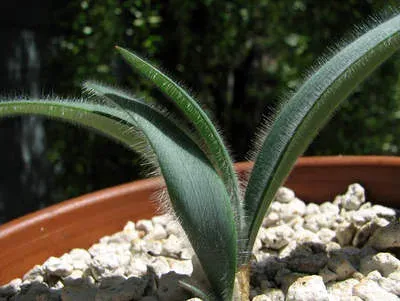
Description
Sowing dates
Strumaria aestivalis is a botanical species belonging to the Amaryllidaceae family, native to the arid landscapes of South Africa.
Cultivation from seed requires a deep understanding of the plant's natural life cycle, which is closely tied to the specific rainfall patterns of its home range.
Sowing should ideally take place in autumn to synchronize the germination process with the onset of the natural growing season for this species.
It is critical to use a well-draining, gritty potting medium to ensure the survival of young seedlings and the health of the developing bulbs.
Due to the slow growth rate of Strumaria aestivalis, growers should be prepared for a multi-year development process before the plant reaches maturity.
Growing requirements
The plant requires high levels of solar radiation, necessitating a bright location to encourage healthy foliage and future flower production.
Soil composition should mimic the rocky, sandy habitats of the South African Cape, ensuring excellent drainage and minimal organic decay.
Temperature fluctuations are essential; the species thrives when exposed to cooler winters and warm, dry summers that trigger the dormant phase.
Watering must be strictly managed, with a complete cessation of moisture during the summer dormant period to prevent internal bulb rot.
The use of deep containers is often recommended to accommodate the root systems, while allowing for proper airflow around the bulb neck.
Main diseases and pests
Fungal pathogens represent the most significant threat to Strumaria aestivalis, particularly when moisture levels remain high during the dormancy phase.
Bacterial soft rot can spread rapidly through the bulb tissue if the growing medium lacks the necessary porosity and drainage.
Pests such as aphids or spider mites may pose a risk during the active growing season, especially in indoor or greenhouse cultivation environments.
Preventative measures include maintaining strict hygiene, keeping the bulbs dry during storage, and ensuring adequate ventilation at all times.
Regular monitoring of the foliage and root zone is essential for the early detection and management of potential health issues in the collection.