
Sternbergia candida
Sternbergia candida
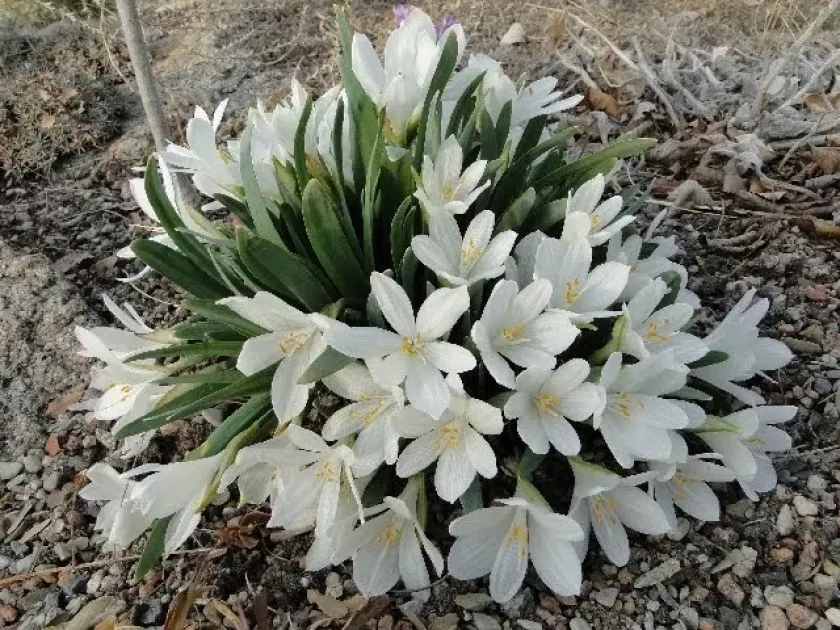
Description
Growing requirements
Sternbergia candida is an ornamental bulbous plant belonging to the Amaryllidaceae family. It is native to the southwestern part of Turkey, where it thrives in rocky mountainous landscapes and scrublands.
The plant is categorized as a geophyte with a distinct summer dormancy period. Its bulb acts as a vital storage organ, allowing it to withstand the harsh, dry summers typical of its natural Mediterranean-like climate.
Successful cultivation requires a location with full sun exposure and excellent soil drainage. The plant is sensitive to waterlogged conditions, which can lead to rapid bulb decay, especially during the dormant season.
The soil should be sandy or stony, mimicking the plant's native habitat. A neutral to slightly alkaline pH is generally preferred, and heavy clay soils must be heavily amended or avoided entirely to ensure survival.
Botanically, Sternbergia candida is prized for its white, funnel-shaped flowers that bloom in late winter or early spring. The foliage often emerges around the same time as the flowers, creating a delicate display.
Main diseases and pests
The primary threat to this species is fungal infection, particularly bulb rot, caused by excessive moisture during the summer dormant phase. Ensuring a dry environment during dormancy is the best preventive measure.
Pests such as narcissus bulb fly larvae can severely damage the plant internally. Inspection of bulbs before planting and the use of insecticidal dips can mitigate the risk of severe infestations.
Slugs and snails often feed on tender emerging foliage during the wet spring months. Applying physical barriers or using organic bait can help control these pests and preserve the plant's aesthetic quality.
Rodents may target the bulbs during the winter. Planting in wire baskets or protected beds can prevent significant loss of the bulb collection when wild animals are active in the garden area.
Viral diseases can also pose a risk to the vitality of the plant. Maintaining overall plant health through optimal growing conditions and avoiding mechanical damage during cultivation helps reduce susceptibility to infections.