
Sternbergia clusiana
Sternbergia clusiana
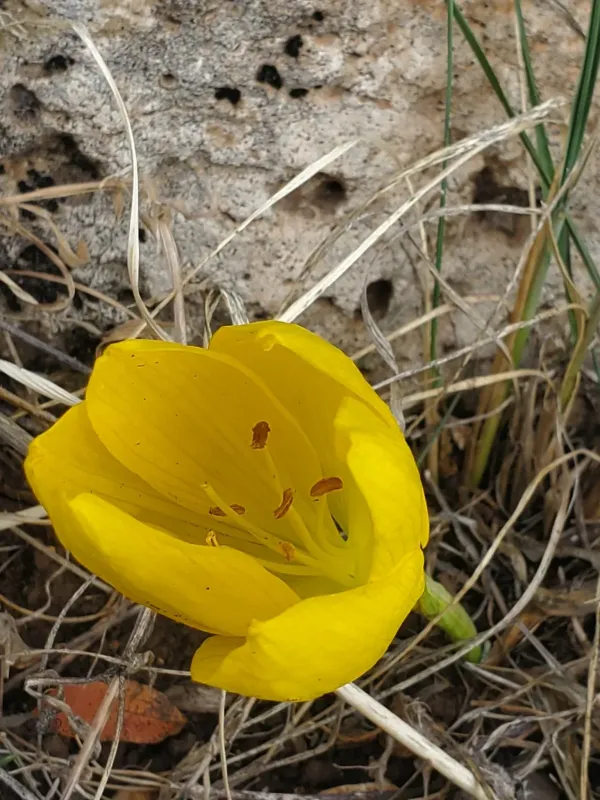
Description
Growing requirements
Sternbergia clusiana is a bulbous perennial belonging to the Amaryllidaceae family. Originating from the rocky terrains of the Eastern Mediterranean, it is well-adapted to environments characterized by long, hot, and dry summers followed by mild, moist autumns.
The success of this culture heavily relies on perfect drainage. The bulbs are highly susceptible to rot if kept in moist conditions during their dormant period in summer, which is why they thrive in gritty, fast-draining soils that mimic their natural stony habitats.
Regarding climate requirements, this plant demands high levels of solar radiation during the ripening phase of the bulb. Full exposure to sunlight ensures that the plant accumulates enough energy to produce its characteristic yellow flowers in the autumn months.
Soil structure should be sandy or stony to prevent water accumulation near the root zone. Amending heavy clay soils with organic material or grit is essential to adjust the porosity, ensuring the health and longevity of the bulbous rootstock.
For cultivation in non-native regions, Sternbergia clusiana is often grown in raised beds or pots. This management practice allows gardeners to strictly control moisture levels and provide the necessary winter protection from severe frosts that could damage the bulbs.
Main diseases and pests
Fungal pathogens represent the most significant threat to this culture. Diseases such as basal rot and various fungal wilt pathogens are triggered by excessive soil moisture and poor ventilation, often resulting in the sudden death of the bulb cluster.
Pests, particularly the onion fly and other dipteran larvae, pose a constant danger to the bulb integrity. These larvae tunnel into the bulb base, destroying the plant's ability to take up nutrients and creating entry points for secondary bacterial infections.
Slugs and snails can cause substantial damage to the foliage, which is vital for the plant to photosynthesize after the flowering period. Keeping the surface area around the bulbs free of debris helps to reduce hiding spots for these common garden pests.
Nematode infestations are also a primary concern, causing stunting and discoloration of the leaves. Once established, these microscopic pests are difficult to eradicate, emphasizing the importance of planting only certified, healthy bulb stock.
Effective management strategy includes preventative fungicide treatments for the bulbs before planting and maintaining strict dry conditions during the summer dormancy. Proper spacing also ensures adequate airflow, significantly reducing the pressure from fungal diseases.