
Sternbergia lutea
Sternbergia lutea
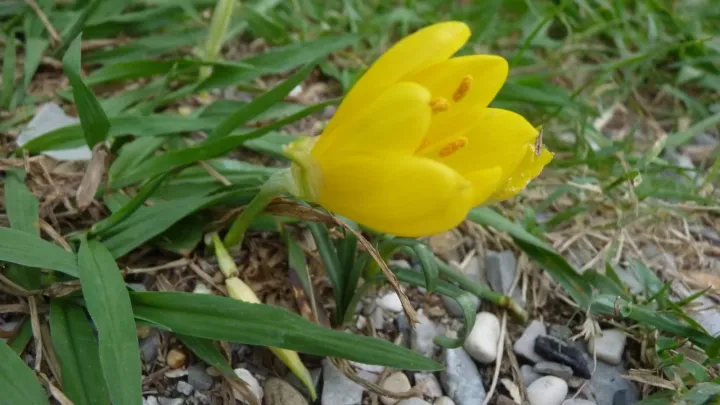
Description
Sowing dates
Sternbergia lutea, a member of the Amaryllidaceae family, is typically planted in the soil during late summer or early autumn when the plant is in its dormant phase. Bulbs should be buried at a depth of 10–15 centimeters, maintaining a distance of at least 10–12 centimeters between them to ensure adequate nutrient access.
The optimal planting time depends on the local climate: in warmer regions, planting occurs in September so the bulbs can establish roots before the onset of cold weather. Planting too early in hot soil can trigger premature leaf development, which is unfavorable for successful wintering.
When propagating vegetatively, daughter bulbs should be separated from the parent plant after flowering or during the dormant period. It is crucial to replant the excavated material quickly, as bulbs of this species tend to dehydrate rapidly, which significantly reduces their survival rate.
To improve establishment, it is recommended to prepare the planting hole with a drainage layer of sand or gravel. This prevents water from stagnating near the base of the bulb, which is a critical risk factor for this crop during the first few months after autumn planting.
Seed propagation of Sternbergia is rarely practiced because flowering from seedlings takes 4–6 years to occur. In professional or intensive ornamental gardening, priority is given to dividing bulb clusters, which preserves varietal characteristics and accelerates the production of marketable plants.
Growing requirements
Sternbergia lutea is a sun-loving plant that requires maximum solar exposure for full flower stalk development. It prefers open areas protected from strong winds, where the soil warms up quickly during the spring and summer seasons.
The plant adapts successfully to various soil types, but it exhibits the highest levels of ornamental value and viability in loose, well-drained loams. Stagnant groundwater is fatal to the bulb, so areas with a high water table require the creation of artificial drainage systems.
The soil pH should be neutral or slightly alkaline. If the soil is highly acidic, liming should be performed a few months before planting, as this facilitates better absorption of the nutrients required for flower bud initiation.
The crop has moderate cold hardiness. In regions with harsh, snowless winters, mulching the soil surface with peat or fallen leaves is necessary to prevent the bulbs from freezing. However, excessive covering in the spring can cause the sprouts to rot.
During the active growth and flowering period, Sternbergia needs moderate moisture. After flowering ends and the plant enters dormancy, watering should be stopped completely to keep the soil dry, which is key for the successful formation of replacement bulbs for the next season.
Main diseases and pests
Fungal diseases are the primary threat to Sternbergia, usually developing when moisture levels are not managed correctly. Basal rot and fusarium often affect the planting material if the soil remains waterlogged or lacks proper substrate aeration.
Among pests, the Narcissus fly causes the most damage to the bulbs, as its larvae penetrate the interior and consume the plant tissues. To prevent damage, a preventive treatment of planting material with systemic insecticides is recommended before placing the bulbs in the soil.
Slugs and snails can damage the leaves and buds during damp weather. To protect the plantings, both physical barriers, such as gravel mulch around the plants, and specialized molluscicides applied around the groups are used.
Viral diseases, such as the mosaic virus, can be transmitted through pruning tools or by insect vectors like aphids and nematodes. Affected plants usually exhibit specific mottling or spotting and should be removed from the site immediately to prevent the spread of infection.
Disease prevention consists of adhering to proper agrotechnical practices: annual inspection of bulbs, discarding damaged specimens, and periodic crop rotation. Storing excavated material in a well-ventilated room at optimal temperatures also minimizes the development of pathogens.