
Sweet garlic
Tulbaghia alliacea
Description
Growing requirements
Tulbaghia alliacea, commonly known as sweet garlic or wild garlic, is a perennial bulbous plant belonging to the Amaryllidaceae family. Originating from Southern Africa, this species is highly valued for its aromatic properties and its resilience in various garden environments.
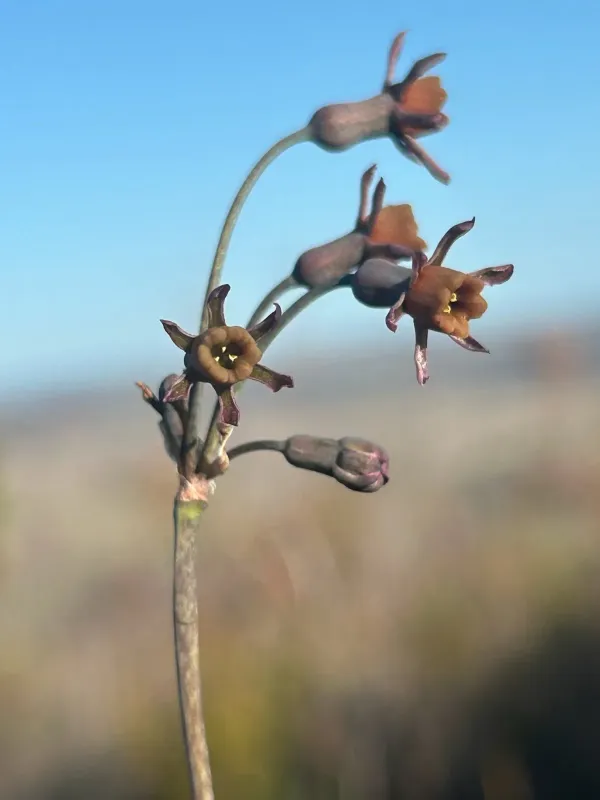
The plant features strap-like leaves and attractive umbel-shaped flowers. It thrives in full sun and requires well-draining soil to prevent bulb rot. It is particularly well-adapted to warm climates but can tolerate cooler temperatures if the soil remains dry during winter.
In terms of soil requirements, it performs best in sandy or loamy soils with a neutral pH. While it can tolerate low fertility, incorporating compost before planting encourages more vigorous foliage growth and abundant flowering.
Cultural practices focus on consistent but moderate watering. It is a drought-tolerant species once established, making it suitable for water-wise gardening. Regular deadheading of spent flowers can prolong the ornamental appearance of the plant.
The culinary applications of Tulbaghia alliacea are widespread, as both leaves and flowers offer a flavor profile similar to garlic or chives. It is often used as a sustainable alternative in herb gardens, providing continuous harvest throughout the growing season.
Main diseases and pests
The main pests affecting this plant are snails and slugs, which can cause significant damage to the foliage in moist conditions. Implementing organic barriers like crushed eggshells or using copper tape around containers can help manage these infestations.
Fungal issues, particularly bulb rot, are the primary disease concern. This is almost exclusively caused by excessive moisture or heavy, waterlogged soil. To mitigate this, ensure proper site selection with superior drainage or utilize raised garden beds.