
Sternbergia hybrids
Sternbergia hybrids
Description
Sowing dates
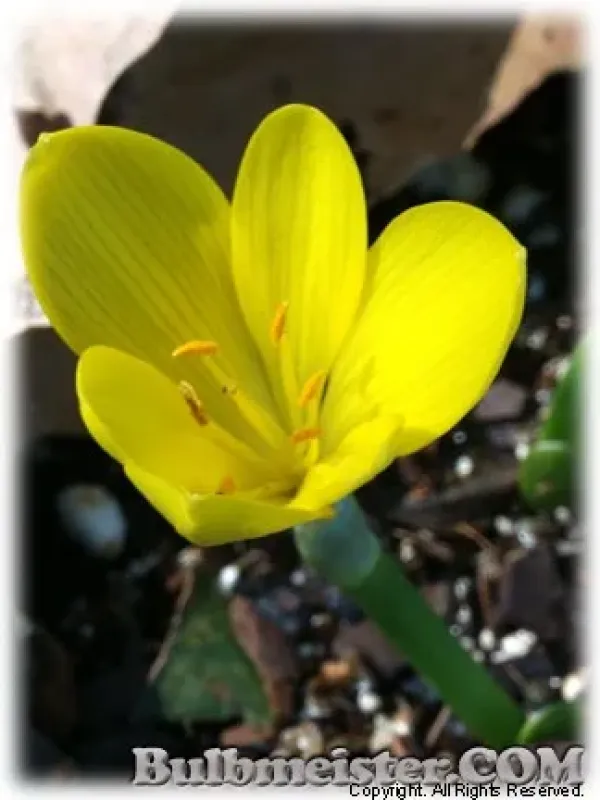
Sternbergia hybrids are perennial bulbous plants belonging to the Amaryllidaceae family. These ornamental geophytes are highly valued in landscape design for their brilliant golden-yellow flowers that bloom in the autumn, creating a spectacular visual effect.
Planting of bulbs is generally conducted in late summer or early autumn, which allows the root system to establish before the winter dormancy period. Timely planting is essential to ensure successful blooming in the same season.
Bulbs should be planted at a depth of approximately 10–15 centimeters. This depth provides necessary insulation against fluctuating soil temperatures and protects the bulbs from physical damage during extreme weather conditions.
Space the bulbs about 10–15 centimeters apart to prevent overcrowding. Proper spacing ensures adequate air circulation and access to nutrients for each individual plant, reducing the risk of disease transmission.
Vegetative propagation via offsets is the standard method for increasing the population. Offsets should be separated during the dormant season to ensure the survival and vigor of the newly planted material.
Growing requirements
Sternbergia hybrids require full sun exposure to thrive. They are highly heliophilic plants; even light shade can result in poor foliage growth and a complete failure to produce flowers during the autumn season.
The soil must be well-drained, porous, and nutrient-rich. Heavy clay soils are unsuitable unless amended with organic matter and drainage materials like coarse sand or gravel to prevent water stagnation around the bulbs.
Soil reaction should be neutral or slightly alkaline. These plants do not perform well in highly acidic environments, which may require liming if the soil conditions are not naturally suitable for the species.
A dry summer rest period is vital for the biological cycle of Sternbergia. The bulbs require a warm, dry environment during the summer months to trigger the formation of flowering buds for the upcoming season.
Minimal fertilization is required, focusing on potassium and phosphorus. Excessive nitrogen applications should be avoided as they lead to lush, weak leaf growth and decrease the plant's resistance to cold and rot.
Main diseases and pests
Bulb rot is the primary threat to the health of Sternbergia hybrids, typically triggered by excess soil moisture during dormancy. Maintaining a well-drained environment is the most effective way to prevent fungal pathogens.
Pests such as onion flies and bulb mites can severely impact plant health by feeding on the bulb tissue. Infestations often serve as entry points for secondary bacterial and fungal infections, necessitating prompt intervention.
Cultural control, including crop rotation and the removal of infected plant debris, is fundamental to preventing the spread of diseases. Only firm, healthy bulbs should be selected for propagation and planting.
Fungicidal treatments may be necessary during wet seasons or if infection is detected. Systemic treatments are preferred, as they protect the plant tissue from the inside and help in suppressing further pathogen development.
Monitoring the soil moisture levels is critical. Providing adequate aeration through light hoeing can help manage the microclimate around the bulbs, effectively minimizing the environmental stressors that attract pests and diseases.