
Sternbergia vernalis
Sternbergia vernalis
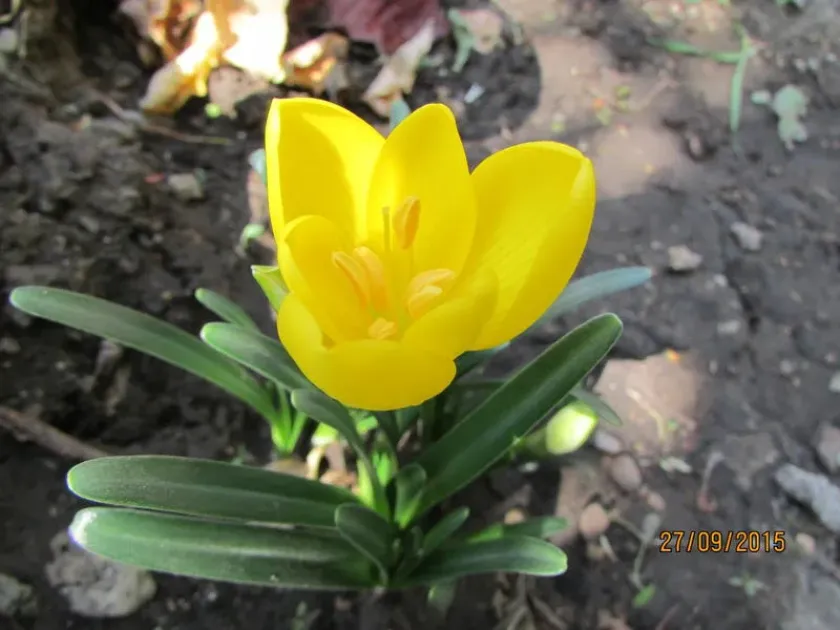
Description
Sowing dates
Propagation of Sternbergia vernalis is primarily achieved through the separation of offsets, or daughter bulbs, which are produced by the mature mother bulb.
The ideal time for planting is late summer, allowing the root system to establish itself before the arrival of low winter temperatures.
Planting depth should generally be around 10–15 centimeters, which provides sufficient insulation and protection for the bulb throughout the year.
While seed propagation is possible, it is rarely used in commercial or practical garden settings due to the long duration required for the plants to bloom.
Proper spacing between bulbs, typically 15 centimeters apart, is recommended to prevent overcrowding and to ensure better access to soil nutrients.
Growing requirements
Sternbergia vernalis is a perennial bulbous plant belonging to the Amaryllidaceae family, known for its early blooming cycle during the spring season.
Native to parts of the Middle East, Central Asia, and the Caucasus, this species naturally thrives in rocky habitats and open steppe environments.
Botanically, it is characterized by bright yellow, crocus-like flowers that emerge before the foliage fully develops, depending on local environmental conditions.
The crop requires well-draining, nutrient-rich soil with a neutral to slightly alkaline pH to ensure healthy root development and prevent bulb rot.
It prefers sunny locations, as adequate solar exposure is essential for the bulb to accumulate enough energy for the subsequent year's growth.
Main diseases and pests
The most significant threat to the health of Sternbergia vernalis is soil saturation, which leads to fungal pathogens like Fusarium or gray mold.
Pests, particularly bulb mites and various soil-dwelling insects, can cause severe damage to the internal structure of the bulbs.
To mitigate disease risks, cultivators should ensure excellent soil aeration and avoid excessive irrigation, especially during the summer dormancy period.
Fungicide treatments applied to the bulbs before planting are an effective preventive measure against common soil-borne rot diseases.
Regular monitoring of the planting area and removing any infected specimens immediately will help maintain the vitality of the entire plant population.