
Tenby daffodil
Narcissus obvallaris
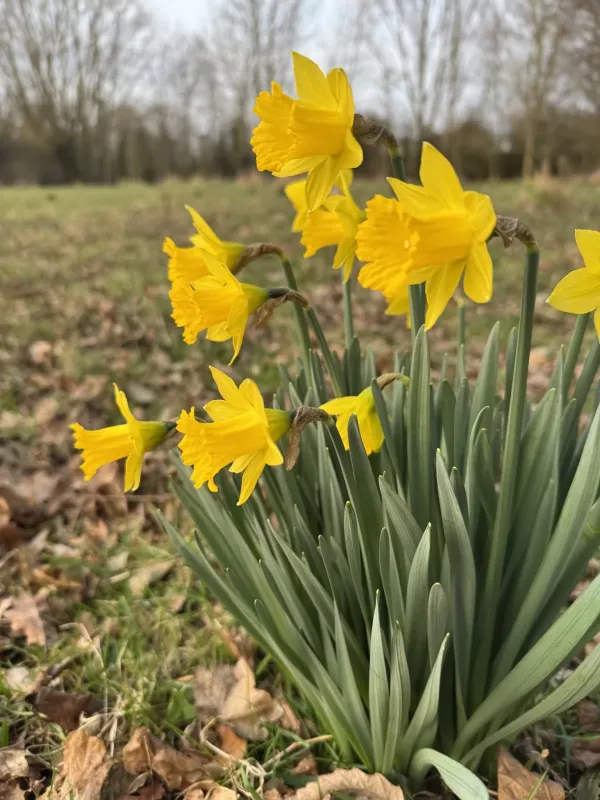
Description
Sowing dates
The planting of the Tenby daffodil (Narcissus obvallaris) is best performed during the autumn, typically from late August to September. Early planting is crucial for the bulbs to establish a robust root system before the onset of winter dormancy.
The standard depth for planting is approximately three times the height of the bulb. This depth provides protection from temperature fluctuations and ensures the bulb remains stable during the freezing cycles of the winter months.
Spacing should be managed to ensure adequate ventilation between the plants. A distance of 10–15 centimeters between bulbs is recommended to prevent overcrowding, which can hinder the growth and flowering potential of the cluster.
The Tenby daffodil belongs to the Amaryllidaceae family and is recognized for its hardiness in various temperate regions. Once established, it can thrive in a location for several years without the need for frequent intervention.
Successful cultivation requires selecting high-quality, healthy bulbs. Any material showing signs of rot, soft spots, or mechanical damage should be discarded prior to planting to avoid spreading infections to the soil.
Growing requirements
Tenby daffodils thrive in sunny locations but can also tolerate partial shade. Full exposure to sunlight during the spring growing season promotes strong floral development and vibrant color intensity in the petals.
Soil quality is paramount; these bulbs require fertile, well-draining soil with a neutral to slightly acidic pH. Heavy, waterlogged soils must be amended with organic matter or drainage materials to prevent root rot.
Fertilization with a balanced NPK ratio (high in potassium and phosphorus) applied in early spring can significantly boost bloom production. Avoid excessive nitrogen, which promotes lush foliage at the expense of floral development.
Water management is critical during the active growing phase. While moisture is necessary while the plant is emerging and flowering, it is equally important to stop watering once the foliage begins to yellow and die back naturally.
Regular maintenance includes weeding and occasional loosening of the soil surface to improve aeration. Providing a clean environment around the base of the plants reduces competition for nutrients and limits pest hiding spots.
Main diseases and pests
The narcissus fly is the most significant pest for Narcissus obvallaris. Its larvae penetrate the bulb, causing complete tissue degradation. Prophylactic treatment with systemic insecticides is the standard agricultural solution.
Fungal diseases like basal rot (Fusarium) are common in damp conditions. Proper drainage and storage conditions are the primary defense mechanisms against these pathogens, which can decimate an entire bulb collection.
Slugs and snails can pose a threat to young, succulent growth during cool, wet springs. Integrated pest management, including physical barriers or safe molluscicides, can effectively protect the developing foliage.
Viruses, such as narcissus yellow stripe virus, can lead to stunted growth and discolored leaves. There is no cure for such viral infections, making the removal and destruction of affected plants a mandatory step.
Maintaining a rotation schedule in the garden helps minimize the accumulation of soil-borne pests. Avoid planting daffodils where other Amaryllidaceae species have recently been cultivated for several years.
Harvesting
Harvesting should only occur once the foliage has naturally turned yellow and withered. This period of senescence is essential, as the bulb draws energy back from the leaves to fuel the next year's growth.
After lifting the bulbs from the soil, they must be cleaned and dried in a shaded, well-ventilated area. Rapid drying in direct sunlight should be avoided to prevent desiccation and damage to the bulb's outer scales.
Storage should be conducted in a cool, dry place with good airflow. Avoid plastic containers, which trap moisture and promote mold; breathable mesh bags or wooden crates are the preferred storage materials for bulb preservation.
Division of the bulb clumps is recommended every few years to maintain vigor. Clumps that become too large will eventually compete with themselves for space and nutrients, leading to smaller, less impressive flowers.
Sorting the harvested material into size categories allows for better management. Mature bulbs are earmarked for display and landscape use, while smaller offsets are replanted in nursery rows for further development.