
Strumaria barbarae
Strumaria barbarae
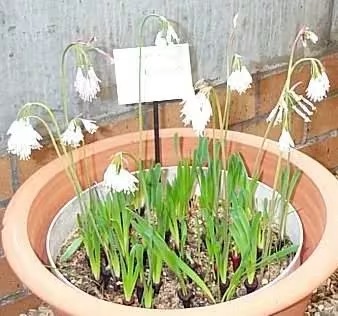
Description
Growing requirements
Strumaria barbarae is a distinctive bulbous plant species within the Amaryllidaceae family. It is endemic to the arid regions of South Africa, where it has evolved unique survival strategies to cope with seasonal water scarcity.
The plant features a compact, tunicated bulb that stores essential nutrients and moisture. During its short growing season, it produces narrow foliage followed by delicate, star-shaped flowers that bloom on slender stalks, adding aesthetic value to its natural habitat.
Successful cultivation of this species depends on providing a well-draining, sandy substrate that mimics its native environment. Proper aeration of the soil is crucial to ensure that the bulb remains healthy and does not suffer from moisture-related decay.
The climatic needs of Strumaria barbarae include high light exposure and distinct seasonal cycles. Growers must strictly regulate irrigation, ensuring plenty of moisture during the active growth phase and keeping the soil completely dry during the summer dormancy.
In terms of хозяйственное usage, this plant is primarily cultivated by collectors and specialized nurseries focused on rare geophytes. Its small size and unique flowering habit make it a prized specimen for pot cultivation in temperate climate greenhouses.
Main diseases and pests
The primary threats to Strumaria barbarae are fungal pathogens, specifically those causing root and bulb rot, which are almost always triggered by improper watering practices or inadequate soil drainage.
Under artificial growing conditions, the plant may be vulnerable to common greenhouse pests such as spider mites, aphids, or mealybugs, necessitating regular monitoring and appropriate horticultural management.