
Strumaria salteri
Strumaria salteri
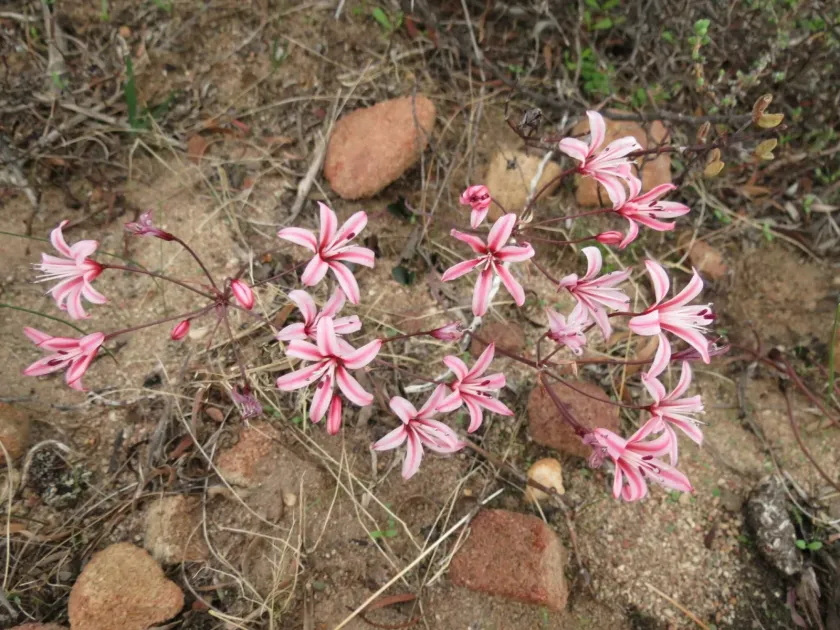
Description
Growing requirements
Strumaria salteri is a perennial bulbous plant belonging to the Amaryllidaceae family. Native to the specific, arid environments of South Africa's Cape region, this species is known for its distinct adaptation to harsh seasonal climate patterns.
The plant exhibits compact botanical features, characterized by a small, specialized bulb and thin, grass-like foliage. Its life cycle is strictly determined by rainfall patterns, which trigger growth and subsequent flowering periods in its natural habitat.
In a controlled agricultural or horticultural setting, Strumaria salteri requires mimicking its native environment. It demands high levels of sunlight and a distinct dry resting phase, during which irrigation must be strictly avoided to prevent premature growth.
The substrate must be highly porous and inorganic. A mixture of sharp sand, grit, and minimal organic matter is ideal. Proper drainage is the single most critical factor, as stagnant water is lethal to the bulbs of this delicate species.
Temperature management is crucial, as the plant thrives in consistent warmth but cannot withstand freezing conditions. It is best suited for cultivation in specialized greenhouses where ventilation can be managed alongside temperature and humidity levels.
Main diseases and pests
The primary threats to Strumaria salteri are fungal pathogens, specifically those causing bulb rot and fusarium wilt. These conditions are almost exclusively triggered by improper watering schedules and poor drainage management.
Pests such as spider mites and mealybugs can infest the foliage, particularly in confined spaces with insufficient air movement. Early intervention with suitable horticultural soaps or systemic treatments is recommended to preserve the integrity of the plant.