

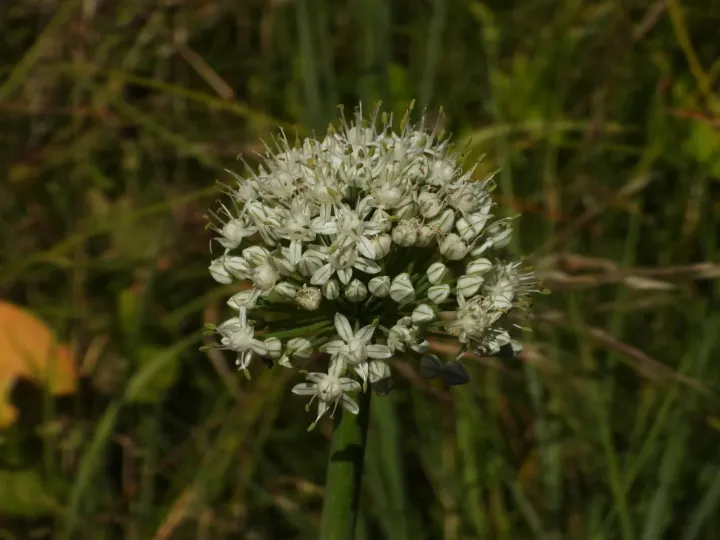
Description
Sowing dates
The sowing time for onions depends on the cultivation method: using sets or direct seeding in the field. The optimal time for planting onion sets is early spring, when the soil warms up to +8...+10°C, which typically occurs in April in temperate zones.
When using seeds, planting is carried out as early as possible, often in early April. This is necessary to ensure the plants develop a robust root system before the onset of high temperatures and long daylight hours.
Transplant cultivation is also an option, allowing for high-quality bulb production in regions with short summers. Seedlings are raised in flats during February-March with supplemental lighting and then transplanted outdoors at 50–60 days old.
Winter onion cultivation involves planting sets in the fall, 3–4 weeks before steady frost begins. This allows the plant to root without excessive top growth, resulting in an earlier harvest the following season.
The selection of planting times is directly influenced by the climate zone and specific hybrid characteristics, such as their sensitivity to photoperiod (day length requirements).
Growing requirements
The onion is a perennial herbaceous plant belonging to the Amaryllidaceae family (formerly Liliaceae), which is most commonly cultivated as an annual or biennial crop.
Onions have high requirements for soil fertility and structure. Ideal soils are loamy or sandy chernozems with a neutral reaction (pH 6.5–7.5) that retain moisture well but are free from waterlogging.
Onions are cold-hardy, with seeds capable of germinating at temperatures as low as +3...+5°C. The optimal temperature range for active vegetative growth is between +18°C and +22°C.
Day length is a critical factor for bulb formation. Most varieties are long-day onions, but specific breeding lines have been adapted to the short-day conditions of southern regions.
Consistent irrigation is vital during the first half of the growing season to support leaf development. Excess moisture during the bulb maturation phase is detrimental, as it delays drying and increases the risk of fungal infections.
Yield
Onion yields can range from 40 to 80 tons per hectare with intensive management. Productivity is heavily influenced by planting density, which can reach 800,000–900,000 plants per hectare under drip irrigation.
Crop rotation is essential for maintaining productivity. Onions should not return to the same plot for at least 3–4 years to prevent the accumulation of soil-borne pathogens and pests.
Balanced fertilization, particularly with potassium and phosphorus, promotes bulb maturation and longevity in storage. Excessive nitrogen late in the season should be avoided as it encourages neck rot diseases.
Early weed control is critical because onions have low initial growth energy and can be severely suppressed by weeds during the first 40–50 days of growth.
Harvest quality is measured by both size and scale density. A properly formed multi-layered skin ensures that the bulbs remain viable throughout the following storage season.
Main diseases and pests
Onions are susceptible to a wide range of fungal infections. Among the most dangerous are downy mildew, neck rot, Fusarium wilt, as well as alternaria, anthracnose, helminthosporium, and rhizoctonia.
Soil-borne infections such as white rot, ash rot, and pythium root rot can lead to total crop failure under high humidity and temperature conditions.
The list of onion pests is extensive. The most specific and destructive pest is the onion fly, whose larvae consume the basal plate and the interior of the bulb, causing it to rot.
While insects like cabbage white butterfly, pea weevil, grape phylloxera, European corn borer, cruciferous flea beetles, cereal leaf beetle, and sunn pest are more commonly associated with other crops, the risk of incidental damage to onions increases in large-scale farms with poor rotation practices.
Integrated pest management is recommended, including the use of treated sets, fungicidal applications at the 3–4 leaf stage, and strict adherence to sanitary protocols during harvest and storage.
Harvesting
The signal to begin harvesting is the mass lodging of the tops (about 50–70% of plants) and the changing of the outer scale color. This period usually occurs in August when the bulb neck becomes dry and thin.
Harvesting should be performed in dry, sunny weather. The bulbs are undercut or pulled and left in windrows for 3–5 days to cure. This allows nutrients from the leaves to migrate into the bulb, which is crucial for quality.
After field curing, the onions are dried in ventilated buildings or specialized dryers at +25...+30°C until the necks are completely sealed.
Avoiding mechanical damage during harvest is vital, as even small abrasions serve as entry points for fungal pathogens that cause gray mold during storage.
Once dried, the onions are sorted, graded, and cleaned of soil and debris before being moved to cold storage containers under controlled humidity and temperature conditions.
In brief
41
Crop diseases
12
Crop pests
Content graph
Crop diseases · 41
Alternaria leaf spotAnthracnoseAster yellowsBacterial bulb rotBacterial bulb rotBacterial soft rotBasal plate splittingBlue moldBotrytis leaf blightCenter rotCercospora leaf spotCharcoal rotCladosporiosisFusarium basal rotFusarium wiltGarlic mosaicGray moldHelminthosporium leaf spotIris leaf spotLate blightNeedle nematodeOnion greeningOnion neck rotOnion smutOnion yellow dwarfParatrichodorusPeronosporosisPhyllosticta leaf spotPink rootPink root rotPlant RustPowdery mildewPythium root rotRhizoctonia root rotRoot-knot nematodeSclerotinia rotSlippery skin rotSour skin of onionSouthern blightSting nematodeYeast soft rot
Content graph
Crop pests · 12
Content graph
Connections · Onion
Most often together:
Marketplace
Products · 123
All 123
Onion 214
Herbicides, Desiccants 200
Fungicides 123
Insecticides, Acaricides 42
Fertilizers 25
Plant Growth Regulator 19
Biological Products 1
Mechanization 1





Gart
ТОВ «Фабрика агрохімікатів», Черкаси, Україна
Fungicides
0
0
·
1.5K
11 offers
13.49 €per 1 l
Buy






Fital v.r.k.
China Communications Import and Export Corporation
Fungicides
0
0
·
62
6 offers
12.34 €per 1 l
Buy


Copper, z.p.
Три Дельта Компані Інтернешнл, Гонконг, Китай.
Fungicides
0
0
·
59
1 offer
14.37 €per 1 l
Buy


