
Amethyst garlic
Allium amethystinum Tausch
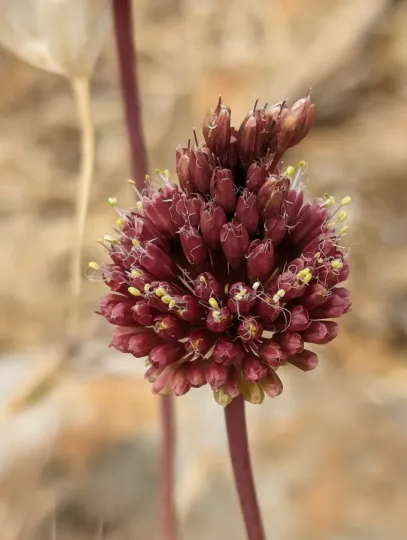
Description
Sowing dates
The sowing of Amethyst garlic seeds is typically performed in late autumn or early spring following a necessary stratification period. Seeds should be planted at a shallow depth of 1-2 centimeters in a well-prepared and loosened substrate.
During spring sowing, maintaining consistent soil moisture is crucial for uniform germination. As seedlings may appear sporadically, marking the site is recommended to avoid accidental mechanical damage during weeding.
Division of mature clumps is best executed at the end of the vegetative phase when the foliage starts to turn yellow. This method ensures faster establishment of the bulbs in their new growing location.
Utilizing high-quality planting material is essential for successful cultivation. Pre-planting treatment with fungicides can protect the bulbs from early soil-borne infections and increase overall survival rates.
Proper spacing between plants facilitates sufficient airflow within the canopy. This density management is a critical preventive measure against the development of moisture-dependent diseases.
Growing requirements
Amethyst garlic (Allium amethystinum) is a member of the Amaryllidaceae family. This perennial bulbous plant is native to the Mediterranean region and parts of the Balkan Peninsula.
The crop thrives in sunny locations with light, well-drained soil. It is highly sensitive to waterlogging, necessitating the use of raised beds or additional drainage components in heavier soil types.
Climate requirements include a need for moderate warmth and protection against extreme cold. While fairly hardy, winter mulching is recommended in colder zones to prevent freezing of the bulbs.
Soil nutrient status should be maintained through balanced fertilization, particularly during the flowering season. Amethyst garlic prefers neutral to slightly alkaline soil conditions for optimal growth.
The plant demonstrates good resilience to intermittent drought conditions due to its water-storing bulb. However, prolonged water saturation is the primary cause of root system failure.
Main diseases and pests
The most common pathologies are Fusarium basal rot and various molds that proliferate in overly wet soil. These conditions occur primarily when drainage is inadequate and the substrate stays saturated for too long.
Insect pests, such as the onion fly, pose a significant threat as larvae feed on the bulb tissues. Infestations lead to systemic weakening of the plant and eventual collapse of the foliage.
Management strategies include the timely application of systemic insecticides and adherence to strict crop rotation practices. Avoid planting alliums in the same area for several consecutive seasons.
Regular monitoring of the planting site is essential to detect early symptoms of infestation or disease. Affected plants should be removed immediately to prevent further spread of pathogens.
Preventive maintenance, including the selection of disease-free bulbs and soil aeration, serves as the cornerstone of a successful agricultural cycle for this specific crop.