
Hybrid onion
Allium hybr.
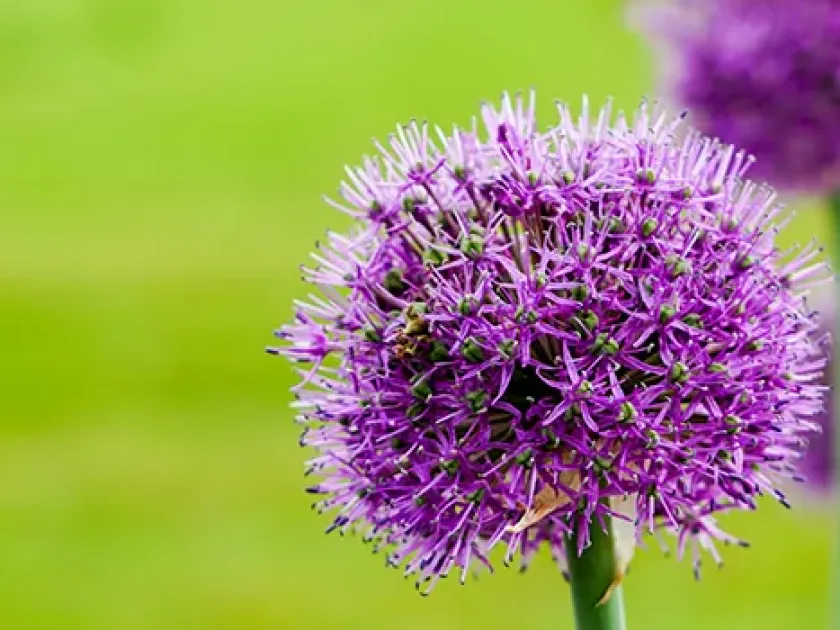
Description
Sowing dates
The sowing schedule for hybrid onions depends on the cultivation method, whether by transplanting or direct seeding. For direct seeding, ensure the soil temperature has reached at least 8 degrees Celsius to guarantee uniform germination.
Transplanting is highly recommended for shorter growing seasons. Seedlings are typically moved to the open field once they develop 3–4 true leaves, usually in early spring after the risk of severe frost has passed.
Precise planting depth, ideally between 1.5 and 2 cm, is crucial. Deep sowing can delay emergence and weaken the seedlings, making them more susceptible to environmental stress.
Row spacing is generally maintained at 20–30 cm. Proper spacing ensures adequate airflow, which is essential for minimizing the risk of fungal infections within the dense canopy of hybrid plants.
Early-stage weed control is vital because hybrid onions exhibit slower initial growth compared to weeds. Maintaining clean rows during the first month is necessary for optimal crop development.
Growing requirements
Hybrid onion (Allium hybr.) belongs to the Amaryllidaceae family. These plants are products of controlled cross-breeding, designed specifically to exhibit hybrid vigor, resulting in superior uniformity and yield.
Onions are long-day crops, meaning they require specific day-length conditions to trigger bulb formation. Selecting the right hybrid variety for your specific latitude is essential for successful harvests.
They thrive in well-drained, sandy loam soils with a neutral pH between 6.5 and 7.5. Good soil structure ensures proper water retention while preventing root rot caused by stagnant water.
Water management is critical during the bulb enlargement phase. Consistent moisture levels prevent bolting and ensure that the onions reach their genetic potential in terms of size and weight.
Fertilization should be split to match the growth stages. Nitrogen is provided during the vegetative phase to boost foliage, while potassium is increased later to support bulb filling and storage longevity.
Yield
Hybrid onions are favored by commercial growers for their high yield potential. Under intensive management, it is possible to achieve yields between 60 and 90 metric tons per hectare.
The primary advantage of using F1 hybrids is the uniformity of the crop. Every onion in the field tends to mature at the same time and reach a similar size, facilitating easier mechanical harvesting.
Optimal plant density is key to maximizing returns. Higher densities can be used for smaller bulb sizes, while lower densities are preferred for large, jumbo-sized onions.
Modern irrigation techniques, such as drip systems, allow for precise nutrient delivery, further boosting the efficiency of the crop and increasing overall production per hectare.
High-quality hybrids provide better shelf life and resistance to handling, which significantly increases the marketable percentage of the total harvest.
Main diseases and pests
Downy mildew remains the most significant threat to onion crops in humid environments. It can spread rapidly, causing severe leaf damage and reducing the overall bulb size.
Fusarium basal rot is another persistent issue, especially in soils that have seen repeated onion cultivation. Crop rotation and the selection of resistant hybrid varieties are the most effective controls.
Pests like onion thrips and onion maggots require vigilant monitoring. Thrips cause scarring on the leaves, while maggots feed on the roots, often leading to total plant loss if left unchecked.
Integrated Pest Management (IPM) practices, including the use of pheromone traps and beneficial insects, help maintain pest populations below the economic injury level.
- Use certified disease-free seeds.
- Implement long crop rotation cycles.
- Apply fungicides according to weather-based disease forecasting.
Harvesting
The harvest period is indicated by the mass yellowing and lodging of the onion tops. This signals that the plant has completed its development and the bulbs are mature.
Mechanical harvesting involves undercutting the bulb plates to loosen the soil, allowing the onions to be lifted gently without damaging the outer skin or the bulb itself.
Curing is a mandatory step after harvest. Onions should be left to dry in the field or in controlled-ventilation structures to seal the neck and harden the outer scales.
A well-cured neck is essential to prevent secondary infections during long-term storage. If the neck remains moist, pathogens will enter, leading to rapid decay in storage.
Final storage conditions require cool, dry, and well-ventilated environments. Maintaining temperatures near 0–2 degrees Celsius helps keep the onions in excellent condition for several months.