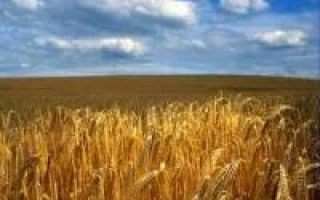
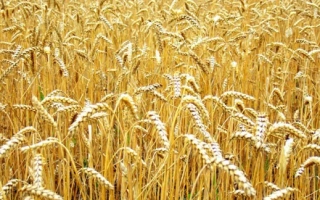
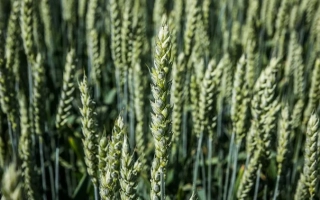
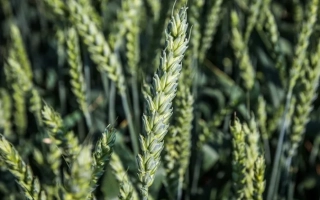
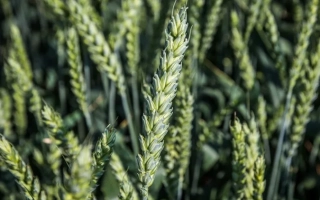
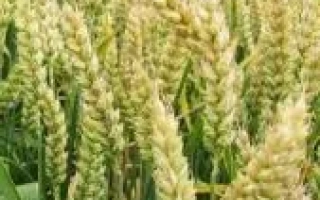
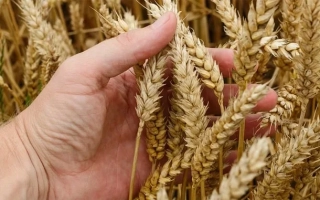
Winter wheat SGI-100 is a high-yielding, medium-early variety of soft wheat, intended for cultivation in steppe and forest-steppe zones. This variety has a short stem and belongs to the group of strong varieties, which provides it with high resistance to adverse conditions such as drought, frost, and various diseases. The vegetation period is approximately 268-284 days, allowing the variety to be used in various agroclimatic conditions. The sowing rate is 4.5-5.5 million seeds per hectare, and the potential yield reaches 8.63-9.48 tons per hectare, confirmed by yields within the range of 72.4-80.9 c/ha.
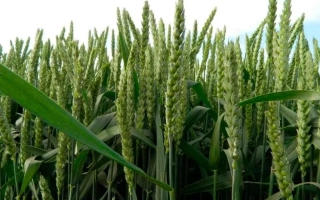
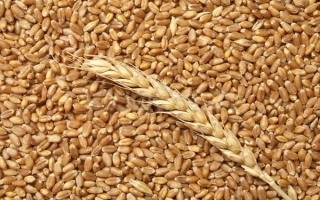
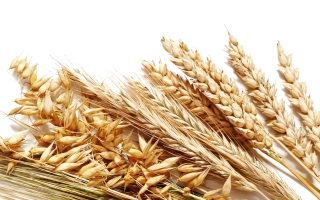
Morphobiological characteristics of the variety include plant height of 110-120 cm, spike length of 9-10 cm with a spindle-shaped form and white spike color. Grain is oval, red in color, and the 1000-grain mass varies from 38 to 42 grams. The variety exhibits high resistance to lodging, cold tolerance, diseases, shattering, and germination of grain in the ear, making it a reliable choice for farmers. The gluten content is 28-30%, crude protein — 12.5-14.0%, and dough strength ranges from 280-450 arbitrary units, indicating high grain quality and suitability for flour production.
SGI-100 is well adapted to various cultivation technologies, including use on fields with low nutrient levels, where it positively responds to mineral fertilizer application. Unlike intensive varieties, it is less sensitive to sowing date shifts, facilitating agronomic operations. The variety was registered in 2016 and recommended by the National Academy of Agricultural Sciences of Ukraine, confirming its reliability and efficiency in grain production.