


SKU #71887
·
51 views
LADNY
Lupin
Фгбоу Во Ргау- Мсха Имени К. А.ТимирязеваUser rating
0 votes0% positive reviews
No ratings yet — be the first.
Plant Height
150–250
Usage
On green feed
Registration year
1992
About product

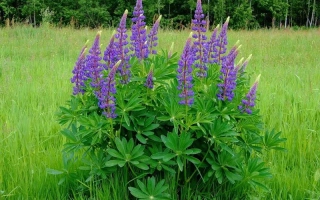
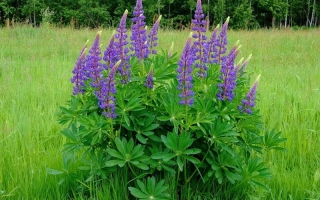
A reliable, high-growing fodder lupin variety with robust immunity to fungal diseases and common pests.
Plant Height
150–250
Usage
On green feed
Registration year
1992
Description
Stable biomass yields: the potential of the 'Ladny' lupin
In the context of modern forage production, where success depends on the balance between crop resilience and productivity, the 'Ladny' variety from the plant breeders at the Russian State Agrarian University (RSAU-MSHA named after K.A. Timiryazev) holds a strong market position. This lupin is the result of long-term scientific development aimed at addressing protein shortages in livestock diets.
Agronomic profile and crop protection
'Ladny' is recognized for its high phytosanitary threshold. Unlike many standard varieties, this lupin possesses genetic resistance to a wide range of pathogens that typically limit legume yields. Key protection indicators include:
- High immunity to anthracnose, which is critical in high-rainfall regions.
- Resistance to brown spot and fusarium wilt, ensuring biomass integrity until harvest.
- Resistance to the lupin aphid and the lupin weevil, allowing for reduced pesticide application.
Production characteristics
The variety shows impressive growth dynamics, reaching heights of 150 to 250 cm. These morphological traits make 'Ladny' an ideal choice for green fodder production. The massive vegetative structure allows producers to create high-quality silage and haylage bases with significant protein content. Integrating this Timiryazev-bred variety into crop rotations not only solves feed production needs but also contributes to natural nitrogen fixation, improving soil structure for subsequent plantings.
For agricultural enterprises focused on intensive livestock farming, choosing 'Ladny' is an investment in the biological security of forage fields, effectively minimizing risks associated with crop losses from common pests and fungal diseases.
Crop & resistance
Crop
Disease resistance
Pest resistance
Specifications
| Plant Height | 150–250 |
|---|---|
| Usage | |
| Registration year | 1992 |
| Catalog | Catalog → Lupin |
| Manufacturer | Фгбоу Во Ргау- Мсха Имени К. А.Тимирязева |
| Country | Russia |
Store offers
Prices are updated on loadLoading offers…
Aggregator catalog: prices are collected automatically from store websites, normalized by AI and converted at the current exchange rate. Before ordering, confirm the price and availability on the store's website. This block is not indexed by search engines — the data is loaded after the page opens.
Not yet комментариев. Be the first!



See also
Often considered together with this variety





Recently viewed
Products you’ve viewed on this site
Reviews · 0