


SKU #71893
·
55 views
Lupine
Lupin
User rating
0 votes0% positive reviews
No ratings yet — be the first.
Usage
On green feed
Registration year
2007
Prices in stores
from1.41 €per 1 kg
pack from 0.71 € per 500 g
1 offer from 1 store
Store offers · 1 from 1 stores
Prices are updated on loadLoading offers…
Available at: Веснодар
Aggregator catalog: prices are collected automatically from store websites, normalized by AI and converted at the current exchange rate. Before ordering, confirm the price and availability on the store's website. This block is not indexed by search engines — the data is loaded after the page opens.
About product

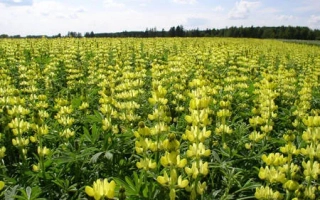
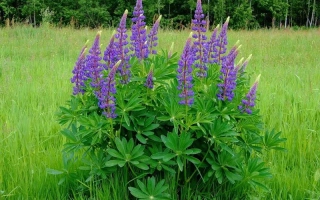
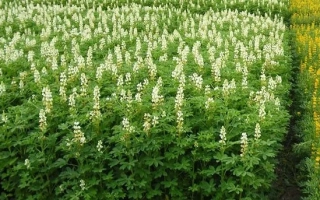
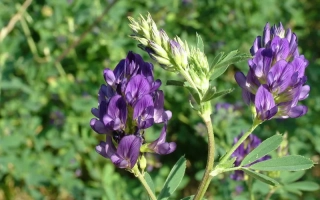
Lupine is a light-loving and cold-hardy plant that easily grows in various climatic conditions due to its unpretentiousness. The height of an adult plant ranges from 70 to 100 cm, and flowers are gathered in dense multi-flowered racemes, making it especially attractive for decorating variegated flower beds and rabatkas. The color range varies from white and yellow shades to bright pink and purple,…
Usage
On green feed
Registration year
2007
Description
Lupine is a light-loving and cold-hardy plant that easily grows in various climatic conditions due to its unpretentiousness. The height of an adult plant ranges from 70 to 100 cm, and flowers are gathered in dense multi-flowered racemes, making it especially attractive for decorating variegated flower beds and rabatkas. The color range varies from white and yellow shades to bright pink and purple, allowing to choose a variant for any garden design.
One of the key features of lupine is its ability to enrich the soil with nitrogen due to symbiosis with nitrogen-fixing bacteria. This makes the plant a valuable cover crop and fodder material: when planted next to main crops, it improves soil structure, increasing its fertility, and as feed, it provides up to 40% protein. The lupine root system penetrates deeply into the ground, facilitating loosening and water access.
Lupine seeds are easy to grow as both annual and perennial crops. When planted, they quickly develop a strong root system, and after seed harvesting, they can be used for cutting – flowers maintain brightness and last long in a vase. For gardeners, it is important to know sowing rates: from 150 to 250 kg/ha when packaged from 1 to 25 kg. Due to high germination (about 95%) and seed purity (99%), lupine becomes a reliable choice for both decorative landscape and agricultural needs.
One of the key features of lupine is its ability to enrich the soil with nitrogen due to symbiosis with nitrogen-fixing bacteria. This makes the plant a valuable cover crop and fodder material: when planted next to main crops, it improves soil structure, increasing its fertility, and as feed, it provides up to 40% protein. The lupine root system penetrates deeply into the ground, facilitating loosening and water access.
Lupine seeds are easy to grow as both annual and perennial crops. When planted, they quickly develop a strong root system, and after seed harvesting, they can be used for cutting – flowers maintain brightness and last long in a vase. For gardeners, it is important to know sowing rates: from 150 to 250 kg/ha when packaged from 1 to 25 kg. Due to high germination (about 95%) and seed purity (99%), lupine becomes a reliable choice for both decorative landscape and agricultural needs.
Crop & resistance
Crop
Specifications
| Usage | |
|---|---|
| Registration year | 2007 |
| Catalog | Catalog → Lupin |
| Legal data |
Show · 1
|
| Country | Russia |
Not yet комментариев. Be the first!


See also
Often considered together with this variety






Recently viewed
Products you’ve viewed on this site
Reviews · 0