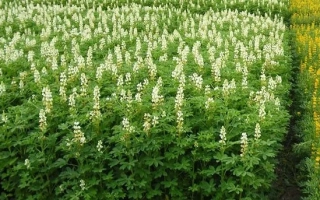
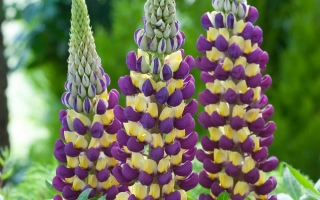
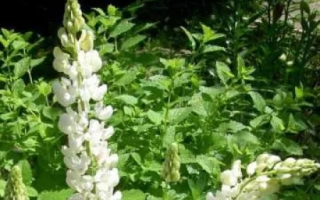
BRYANSKY SIDERATE is a variety of lupine (Lupinus angustifolius L.) specifically selected for phytosanitary use. The plant is erect, indeterminate, with dark green leaves and narrow medium-length terminal leaves. The flowers have a pink hue, and the boat-shaped petals are tipped with blue-black. The seeds are gray, ornamented, and have a high alkaloid content.
The siderate actively accumulates nitrogen in the root system, improving the quality of the upper soil layers. With prolonged cultivation, it promotes the decomposition of organic matter, "acidifies" the soil, and suppresses the growth of weeds and wireworms. In addition to nitrogen, lupine enriches the soil with potassium, phosphorus, calcium, and trace elements, thereby increasing fertility.
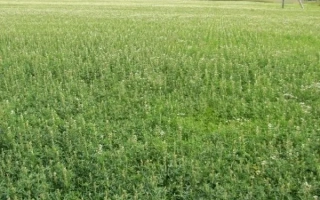
The vegetative period ranges from 80 to 114 days, and the yield of dry matter varies from 34.5 to 44.1 c/ha in different regions. The average seed weight is 130–170 g per 1000 seeds. The plant tolerates drought and cold well but requires bright sun and warmth. It is suitable for moist, light, and acidic soils and combines well with oats, winter crops, and other annual green manures. Sowing can be done in mid-August, leaving 20–30 cm between rows.
BRYANSKY SIDERATE is an effective tool for improving soil structure, increasing its fertility, and controlling unwanted plants, while requiring no complex care and ensuring stable yields under various climatic conditions.