


SKU #74430
·
56 views
Lupin Viktan
Lupin
LLC "Vega Agro"User rating
0 votes0% positive reviews
No ratings yet — be the first.
Usage
On green feed
Registration year
2019
Prices in stores
from0.55 €per 1 kg
pack from 548.15 € per 1 t
1 offer from 1 store
Store offers · 1 from 1 stores
Prices are updated on loadLoading offers…
Available at: Агроексперт-Трейд
Aggregator catalog: prices are collected automatically from store websites, normalized by AI and converted at the current exchange rate. Before ordering, confirm the price and availability on the store's website. This block is not indexed by search engines — the data is loaded after the page opens.
About product

An optimal choice for high-protein green forage production with superior disease resistance.
Usage
On green feed
Registration year
2019
Description
Focusing on Green Forage: Why Viktan is the Professional Choice
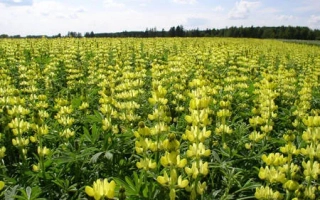
In intensive livestock farming, securing high-quality protein forage is a top priority. The Viktan lupine variety from Vega Agro is a specialized solution designed to shift focus from grain yield to maximum vegetative biomass production. Unlike general-purpose grain varieties, Viktan is optimized for mowing, making it a strategic asset for operations focused on silage production or direct feeding.
Biological Protection as a Competitive Advantage
The primary challenge in legume cultivation is the infection pressure. Viktan distinguishes itself in its class through its high resistance to anthracnose, a disease that often devastates lupine crops before flowering. The ability to minimize fungicide applications not only lowers the cost per feed unit but also ensures the ecological safety of the final product. Additionally, the variety exhibits strong resistance to fusarium wilt and powdery mildew, allowing it to maintain vegetative activity even under stressful weather conditions.
Economic Profile and Performance
Viktan by Vega Agro is a choice for the agronomist who values predictability. Its strengths include:
- High growth rate of vegetative mass, facilitating timely and efficient harvesting.
- Consistent protein quality, which is critical for balanced cattle rations.
- Adaptability to Ukrainian soil and climatic conditions, reducing overall crop failure risks.
The limitation of this variety lies in its narrow specialization. If your goal is to produce commercial grain for export, Viktan might trail behind specialized grain varieties in terms of pod shattering resistance or harvest uniformity. However, if your objective is to turn every hectare into tons of high-quality green forage, this variety has virtually no competitors in its price range.
Crop & resistance
Crop
Disease resistance
Specifications
| Usage | |
|---|---|
| Registration year | 2019 |
| Catalog | Catalog → Lupin |
| Manufacturer | LLC "Vega Agro" |
| Country | Ukraine |
Not yet комментариев. Be the first!








See also
Often considered together with this variety



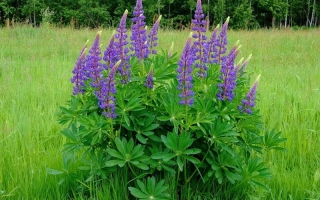
Lupinus polyphyllus
Volyn State Agricultural Experimental Station
056 3 offers
1.14 €per 1 kg ≈ 59 ₴



Recently viewed
Products you’ve viewed on this site
Reviews · 0