
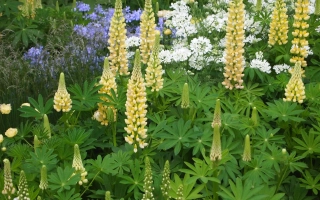

SKU #74429
·
59 views
Vivat
Lupin
LLC "Vega Agro"User rating
0 votes0% positive reviews
No ratings yet — be the first.
Usage
Decor
Plant Height
80-150
Registration year
2019
Prices in stores
from0.68 €per 1 kg
pack from 0.97 € per 1 kg
5 offers from 2 stores
Store offers · 5 from 2 stores
Prices are updated on loadLoading offers…
Available at: Agrodostatok · Rodon Agro
Aggregator catalog: prices are collected automatically from store websites, normalized by AI and converted at the current exchange rate. Before ordering, confirm the price and availability on the store's website. This block is not indexed by search engines — the data is loaded after the page opens.
About product

An effective way to beautify your grounds and naturally enhance soil fertility.
Usage
Decor
Plant Height
80-150
Registration year
2019
Description
Practical Application of 'Vivat' Lupin on the Farm
The ornamental lupin 'Vivat' from Vega Agro is designed for those balancing landscape aesthetics with soil health. Unlike forage varieties, this hybrid is focused on visual impact, reaching heights of 80–150 cm. It serves as an effective tool for agronomists tasked with landscaping perimeter areas, office grounds, or creating low-maintenance green barriers.
Tasks and Agronomic Solutions
- Soil Improvement: As a legume, 'Vivat' naturally fixes nitrogen, enhancing soil structure without the need for excessive chemical fertilizers.
- Weed Suppression: Due to its rapid vegetative growth, the crop develops a dense canopy, effectively outcompeting weeds in the area.
- Landscaping: The height of up to 150 cm allows for effective zoning and decoration of low-fertility patches within the farm property.
The use of 'Vivat' is ideal for scenarios where rapid ground coverage is needed, such as dressing up administrative buildings or creating eco-friendly buffer strips. The plant is resilient and requires minimal maintenance, helping to reduce operational costs associated with maintaining the farm's visual environment.
Crop & resistance
Crop
Specifications
| Usage | |
|---|---|
| Plant Height | 80-150 |
| Registration year | 2019 |
| Catalog | Catalog → Lupin |
| Manufacturer | LLC "Vega Agro" |
| Country | Ukraine |
Not yet комментариев. Be the first!






See also
Often considered together with this variety

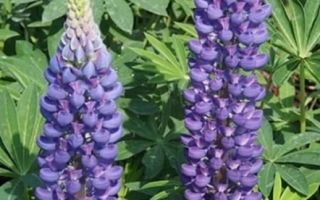
Lupinus polyphyllus
Volyn State Agricultural Experimental Station
056 3 offers
1.14 €per 1 kg ≈ 59 ₴


Recently viewed
Products you’ve viewed on this site
Reviews · 0