
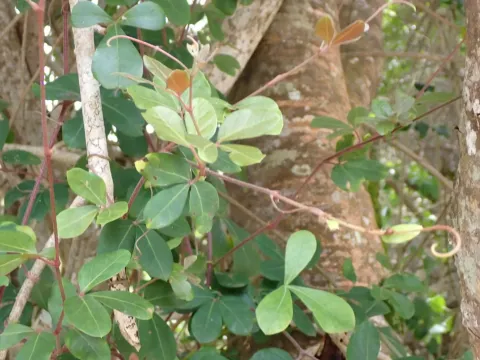
Rhoicissus
Rhoicissus
Rhoicissus is a genus of evergreen woody vines belonging to the Vitaceae family. These plants originate primarily from the tropical and subtropical regions of South Africa, where they thrive in diverse habitats including forests and sheltered mountainous areas.
What the section contains


Rhoicissus
To ensure healthy development, Rhoicissus requires bright, indirect sunlight. While the plant is relatively resilient, exposure to intense midday sun can scorch the foliage and reduce the overall aesthetic appeal of the vine's lush green canopy.
The culture thrives in well-draining, nutrient-rich soil. A standard houseplant mix consisting of peat, compost, and coarse sand provides the necessary aeration and moisture retention required for the plant's robust root system to thrive.
Optimal growth conditions involve maintaining a stable temperature range between 18°C and 25°C. During the active growing season, consistent watering is essential, allowing the top centimeter of the substrate to dry out between each irrigation session.
In terms of practical usage, Rhoicissus is widely utilized in professional landscaping and indoor design. Its ability to produce long, vigorous stems makes it an excellent choice for vertical displays, screen walls, and large botanical installations.
Common pests that affect Rhoicissus include spider mites, scale insects, and mealybugs. These pests are particularly problematic in dry indoor environments where humidity levels are chronically low, stressing the plant's natural defenses.
Root rot is the most significant disease threat, typically caused by overwatering or poor drainage systems in pots. Symptoms include sudden leaf drop, yellowing foliage, and soft, mushy stems that indicate severe root damage.
Effective prevention strategies include regular foliage cleaning to remove dust and early-stage pests. Maintaining proper spacing between plants ensures adequate air circulation, which significantly reduces the risk of fungal outbreaks.
When pests are detected, immediate application of appropriate horticultural oils or systemic insecticides is recommended to prevent spreading. Always isolate the infected plant from others until the treatment is successfully completed.
Nutritional deficiencies may also manifest as leaf discoloration. Providing balanced fertilization during the active growing months is crucial to maintain plant vitality and boost resistance against opportunistic diseases and environmental stressors.