
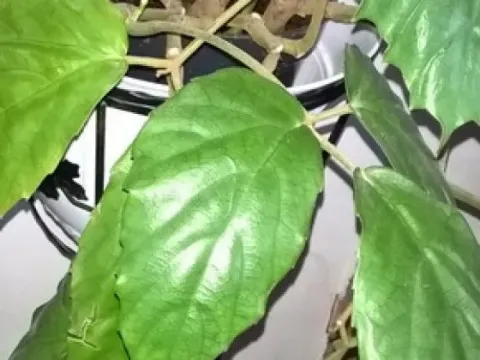
Tetrastigma
Tetrastigma
Tetrastigma is a genus of woody vines belonging to the Vitaceae family. Native to the subtropical and tropical forests of Southeast Asia, these plants are known for their vigorous growth and large, compound foliage. In an agricultural and horticultural context, they are categorized as high-demand ornamental climbers suitable for large-scale interior landscaping.
What the section contains
 Tetrastigma bracteolatum
Tetrastigma dubium
Tetrastigma dubium
Tetrastigma bracteolatum
Tetrastigma bracteolatum
Tetrastigma dubium
Tetrastigma dubium
 Tetrastigma formosana
Tetrastigma formosana
Tetrastigma formosana
 Tetrastigma leucostaphylum
Tetrastigma leucostaphylum
Tetrastigma leucostaphylum
 Tetrastigma mutabile
Tetrastigma mutabile
Tetrastigma mutabile
 Tetrastigma planicaule
Tetrastigma planicaule
Tetrastigma planicaule
 Tetrastigma rumiciperdum
Tetrastigma rumiciperdum
Tetrastigma rumiciperdum
 Tetrastigma serrulatum
Tetrastigma sulcatum
Tetrastigma sulcatum
Tetrastigma serrulatum
Tetrastigma serrulatum
Tetrastigma sulcatum
Tetrastigma sulcatum
 Tetrastigma umbellata
Tetrastigma umbellata
Tetrastigma umbellata
 Voinier's Tetrastigma
Tetrastigma voinierianum
Voinier's Tetrastigma
Tetrastigma voinierianum
Tetrastigma
Environmental requirements for the plant include bright, indirect sunlight, as direct UV rays can damage the leaf tissue. The ideal temperature range for active growth is between 20°C and 25°C. During the winter months, providing a cooler environment near 15°C is beneficial for the plant's health, allowing it to enter a necessary state of dormancy before the new growth season.
The soil must be fertile, well-draining, and rich in organic matter. A professional substrate mix typically consists of loam, peat moss, and coarse sand. Adequate drainage is non-negotiable, as the roots are sensitive to anaerobic conditions caused by waterlogging, which often leads to rapid decay of the root system.
Agrotechnical practices involve consistent watering, keeping the substrate moist but allowing the surface to dry out slightly between cycles. High humidity is essential, and growers often use misting systems or frequent leaf wiping to simulate the plant's native tropical environment. Fertilizer applications should focus on balanced NPK blends during the spring and summer months.
The primary use of Tetrastigma is in ornamental plant production for commercial interiors, shopping malls, and public conservatories. Its ability to cover large vertical areas rapidly makes it a standard choice for architects and interior designers aiming to integrate biological elements into modern building structures.
Common pests include spider mites, mealybugs, and scale insects, which thrive in low-humidity environments. Fungal diseases such as root rot can occur if soil aeration is poor. Proactive management includes integrated pest management (IPM) techniques and maintaining proper environmental humidity to suppress pest outbreaks effectively.