
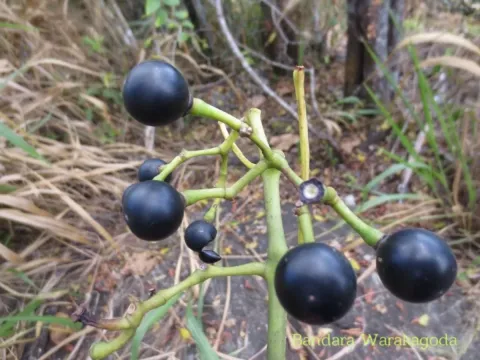
Cissus heyneana
Cissus heyneana
Cissus heyneana is a woody vine belonging to the Vitaceae family, native to the tropical regions of Southeast Asia. In its natural environment, it thrives in dense, humid forests, utilizing its tendrils to climb and support its sprawling stems on larger trees.
What the section contains
Cissus heyneana
The culture requires a consistently warm climate to maintain optimal vegetative growth. The ideal temperature range for this species is between 22°C and 28°C. Exposure to cold drafts or temperatures dropping significantly below 15°C should be strictly avoided to prevent physiological stress.
Soil requirements for Cissus heyneana focus on excellent drainage and high organic content. A loose, aerated substrate is essential to allow for oxygen exchange in the root zone. Incorporating elements such as peat, perlite, or coconut coir helps in creating a balanced growing medium that retains moisture without becoming waterlogged.
Watering management is critical for this species. The soil should remain consistently moist, yet never saturated. Excessive moisture is a primary trigger for physiological failure, while prolonged drought leads to significant leaf drop and a decrease in the overall photosynthetic capacity of the plant.
Regarding light, Cissus heyneana prefers bright, filtered sunlight. High-intensity direct light is detrimental to the foliage, causing surface burns and discoloration. When grown in nurseries, it is recommended to use shade cloth to mimic the dappled light of the tropical forest canopy.
The primary threats to the cultivation of Cissus heyneana are fungal infections triggered by high humidity combined with poor air circulation. Root rot, typically caused by Pythium or Phytophthora species, remains the most frequent challenge for growers.
Pest pressure is mainly exerted by sap-sucking insects, such as spider mites and mealybugs. These pests colonize the undersides of leaves and leaf axils, depleting the plant's resources and creating entry points for secondary bacterial infections.
Integrated Pest Management (IPM) strategies are highly recommended for this crop. This involves regular monitoring of the foliage and the application of bio-insecticides or soaps when pest populations reach the economic injury level.
Cultural control measures, such as pruning damaged or infected stems and ensuring adequate space between plants, are essential to minimize the spread of diseases. Improved airflow helps keep the leaf surface dry, reducing the incidence of powdery mildew and other foliar pathogens.
Proper sanitation is paramount in all stages of production. Disinfecting pruning tools between different plant sets is a necessary protocol to maintain a healthy growing environment and prevent the cross-contamination of various pathogens within the greenhouse.