
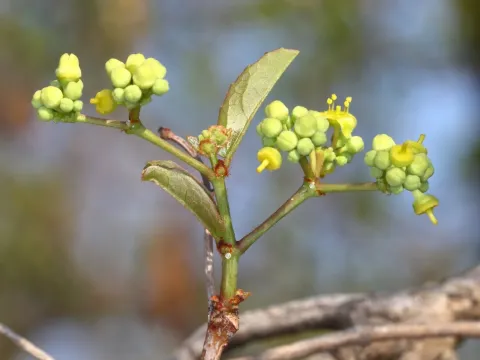
Cissus cornifolia
Cissus cornifolia
Cissus cornifolia is a perennial plant belonging to the Vitaceae family, primarily native to the savannah and woodland regions of tropical Africa. It is well-adapted to environments characterized by distinct dry and rainy seasons.
What the section contains
Cissus cornifolia
The botanical structure of the plant features specialized foliage with trichomes (hairs) that help reduce transpiration rates. This morphological adaptation allows the plant to thrive in regions where water availability is periodically restricted by high ambient temperatures.
Cultivation requires sandy or loamy soils with excellent permeability. In an agricultural setting, the soil must allow for rapid drainage to prevent water stagnation, which is the primary cause of root asphyxiation and subsequent plant decay.
Optimal growth is achieved under full sun exposure, although the plant shows moderate tolerance to partial shade in its juvenile stages. Consistent temperatures between 22 and 30 degrees Celsius promote steady vegetative biomass production.
Economically, Cissus cornifolia is studied for its chemical profile, containing various secondary metabolites that exhibit medicinal properties. It is predominantly used in local ethnopharmacology for treating skin conditions and inflammatory ailments.
The primary threats to Cissus cornifolia include fungal pathogens, particularly those causing powdery mildew and root rot. These diseases thrive in environments with poor ventilation and high humidity, necessitating proper spacing between individual plants.
Insect pests such as spider mites and scale insects are the most frequent threats in warm environments. Integrated pest management strategies, focusing on biological control and targeted miticides, are recommended to maintain plant health without compromising the quality of potential medicinal extracts.