
Cissus incisa
Cissus incisa
Cissus incisa, commonly known as the cow itch vine, is a perennial evergreen vine belonging to the Vitaceae family. Native to the southern United States, this plant is well-adapted to rocky terrains and forest edges where it can climb using its specialized tendrils.
What the section contains
Cissus incisa
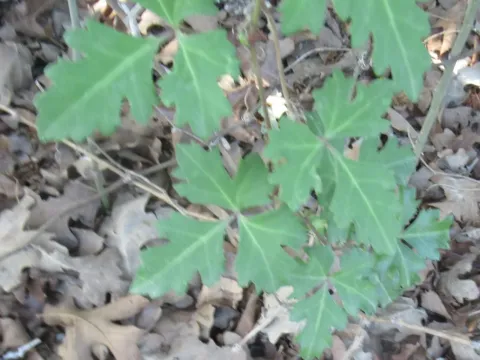
The botanical structure of the plant features distinct, deeply divided trifoliate leaves, giving it a unique visual appeal. Its stems are flexible and capable of reaching several meters in length under optimal growing conditions.
The plant thrives in locations with bright, indirect sunlight. While it can tolerate partial shade, insufficient light often results in elongated, weak stems that lack the density characteristic of healthy, mature specimens.
Soil requirements focus on high drainage capacity, as the roots are sensitive to prolonged moisture. A standard potting mix enriched with organic matter and coarse sand provides the necessary balance for robust development.
Agricultural management involves routine watering cycles that allow the growing medium to dry out slightly between applications. Regular pruning is recommended to manage the vine's rapid growth habit and to encourage a more compact, aesthetically pleasing form.
Common pests affecting Cissus incisa include spider mites, mealybugs, and scale insects, especially in controlled greenhouse environments. These pests can be mitigated through high-pressure water sprays or the application of horticultural oils.
Fungal issues, such as root rot, are typically caused by overwatering or poorly drained containers. Preventing these conditions requires strict adherence to soil moisture monitoring and ensuring that the containers provide adequate airflow to the root zone.