
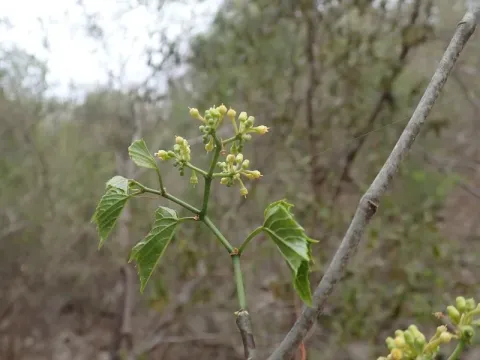
Cissus microdonta
Cissus microdonta
Cissus microdonta is a specialized climbing plant belonging to the Vitaceae family. Originating from tropical and subtropical regions, this species is well-adapted to humid environments and typically grows in forest understories, utilizing tendrils to secure itself to larger plants.
What the section contains
Cissus microdonta
Botanically, this plant is recognized by its delicate, finely serrated leaf structure, which provides significant aesthetic value. The stems are vigorous and tend to branch out, creating a lush, cascading appearance when provided with adequate vertical support.
Regarding climatic needs, Cissus microdonta thrives in diffused, bright light. Direct sunlight should be avoided to prevent leaf scorching, while temperatures between 18 and 24 degrees Celsius are ideal for maintaining consistent vegetative development throughout the year.
The substrate requirement centers on well-draining, nutrient-rich soil. A blend consisting of organic peat, leaf mold, and perlite is recommended to ensure that moisture is retained without causing waterlogging, which is detrimental to the plant's sensitive root system.
The primary agricultural and horticultural use of this plant is in ornamental display. It is widely cultivated for indoor landscaping, vertical wall coverage, and greenhouse collections, prized for its ability to soften architecture with its intricate foliage and rapid growth.
The main pests affecting this species include spider mites and mealybugs. These pests are particularly prevalent in environments with inadequate humidity. Regular misting and cleansing of the leaves can significantly reduce the risk of infestation and keep the plant healthy.
Root rot caused by fungal pathogens is the most common disease associated with overwatering or poor drainage. To manage this threat, it is essential to allow the top layer of soil to dry out between waterings and ensure adequate air circulation around the container.