
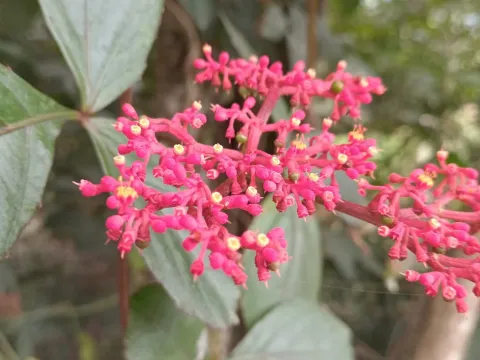
Cissus erosa
Cissus erosa
Cissus erosa is a vigorous perennial vine belonging to the Vitaceae family, widely known for its climbing habit and lush foliage. It utilizes specialized tendrils to anchor itself to available surfaces, making it a prominent element of tropical forest ecosystems.
What the section contains
Cissus erosa
Native to the humid tropical regions of Central and South America, this plant thrives in warm, stable climates. It is typically found in the understory of dense forests, meaning it prefers filtered sunlight rather than direct exposure to intense heat.
The cultivation of Cissus erosa requires a nutrient-rich, well-draining soil mix that remains consistently moist but not waterlogged. Proper aeration of the substrate is essential to prevent root asphyxiation in container environments.
Temperature requirements for this species are strict, with an ideal range between 20 and 26 degrees Celsius. Exposure to cold drafts or temperatures dropping significantly below 15 degrees Celsius can cause leaf drop and stunted growth.
Agrotechnical maintenance includes regular pruning to manage the rapid growth of stems and the installation of sturdy supports. Maintaining high ambient humidity is crucial, especially in indoor settings, to keep the foliage healthy and vibrant.
Spider mites are the most common pests associated with Cissus erosa, particularly in environments with low humidity. These mites colonize the undersides of leaves, causing discoloration and eventual tissue death if left untreated.
Mealybugs can also infest the plant, settling in the nodes and on the underside of the leaves. Their feeding habits extract essential plant fluids, which weakens the vine and makes it susceptible to secondary infections.
Root rot is the primary disease risk, often triggered by overwatering or poor drainage systems. This fungal condition causes the root system to decay, resulting in yellowing foliage and a general collapse of the plant structure.
Leaf spot pathogens can proliferate in stagnant air conditions, leading to the development of necrotic areas on the foliage. Improving ventilation and spacing between plants are key strategies for disease prevention.
Integrated pest management, including regular inspection and the use of appropriate horticultural oils or soaps, is recommended to keep Cissus erosa healthy and free from common infestations.