
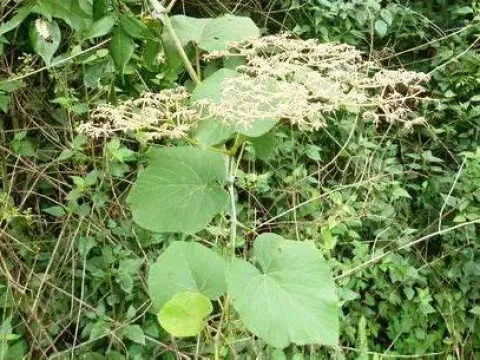
Cissus polyantha
Cissus polyantha
Cissus polyantha is a decorative climbing plant belonging to the Vitaceae family. Originally native to the tropical regions of South America, it is widely recognized for its fast-growing vines and distinct foliage that thrives in humid, shaded environments under dense forest canopies.
What the section contains
Cissus polyantha
The optimal climate for this species requires consistent temperatures ranging from 20°C to 25°C. It is highly sensitive to cold drafts and sudden temperature fluctuations, which can lead to stress, leaf loss, and stunted growth of the main climbing stems.
Regarding light requirements, the plant prefers bright, indirect sunlight. Exposure to direct harsh sun will typically cause leaf scorching, while inadequate light levels will result in weak, spindly stems and reduced coloration of the leaves.
Soil quality is paramount for Cissus polyantha. A well-draining, nutrient-rich potting mix is essential. The ideal substrate should consist of loam, organic compost, and coarse sand or perlite to prevent water stagnation around the root system.
Agronomic management involves regular watering when the surface of the growing medium feels dry. Foliar hydration is also beneficial, as the plant naturally expects high humidity levels. Fertilization should be applied during the active growth period to support vigorous biomass development.
Spider mites are the most common pests affecting Cissus polyantha, especially in environments where air humidity is low. These pests colonize the underside of leaves, causing discoloration and eventual leaf death if left untreated by appropriate acaricides.
Fungal diseases such as powdery mildew frequently develop if air circulation is insufficient. The disease manifests as a dusty white substance on the leaves, which significantly hampers the plant's ability to perform photosynthesis efficiently.
Root rot is a major threat caused by overwatering or poor drainage. Once the roots begin to decay, the plant loses its ability to uptake nutrients, leading to rapid yellowing and wilting of the stems. Early intervention requires repotting and pruning damaged roots.
Mealybugs can also infest the stems and leaf axils, sucking plant sap and weakening the structure. Removing these pests manually or using targeted insecticides is necessary to ensure the long-term health of the vine.
Maintenance of optimal cultural conditions, including adequate ventilation and precise irrigation, remains the best defense against major threats. Regularly inspecting the plant helps identify early signs of infestation or disease, allowing for timely and effective treatment.