
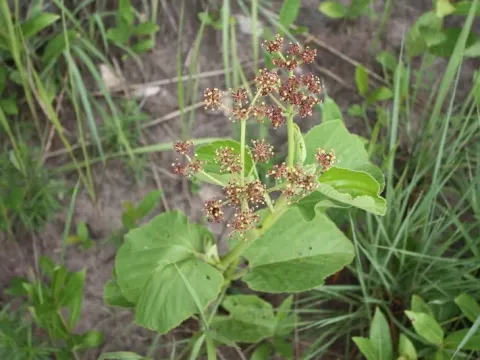
Cissus corylifolia
Cissus corylifolia
Cissus corylifolia is a perennial woody vine belonging to the Vitaceae family. The plant is characterized by high growth vigor and the presence of tendrils, which allow it to climb and support its structure in its natural tropical habitat.
What the section contains
Cissus corylifolia
This crop prefers a tropical climate with high air humidity and consistent temperatures. In agricultural settings, it requires shaded or filtered light conditions, as direct, intense sunlight can damage the leaves and inhibit healthy development.
Soil requirements focus on the use of well-drained, fertile substrates with a neutral to slightly acidic pH. Effective drainage is critical to prevent waterlogging, which often leads to root rot and other systemic issues within the root zone.
During the active growing season, the plant requires consistent but moderate watering. Regular application of balanced mineral fertilizers is recommended to support leaf production and strengthen the vine's main stems.
The agricultural use of this species is primarily focused on vertical landscaping and ornamental purposes. Additionally, ongoing research investigates the biochemical properties of the plant tissues for potential medicinal and industrial applications.
Primary threats to the crop include fungal diseases that emerge under conditions of high humidity and poor ventilation. Powdery mildew and anthracnose are among the most common pathogens affecting the foliage of the vine.
Spider mites and scale insects represent the most significant pest threats. These pests infest young shoots and leaf surfaces, extracting sap and causing leaf deformation, yellowing, and overall plant decline if left untreated.
Preventative measures include maintaining adequate spacing between plants to ensure airflow and performing regular pruning of damaged or necrotic tissues. Proper sanitation helps reduce the initial inoculum of fungal diseases.
Pest management relies on both biological control and the targeted use of acaricides or systemic insecticides when outbreaks occur. Early detection through regular monitoring is key to preventing widespread infestations in greenhouses.
The health of the plant is closely linked to its environment. By maintaining an optimal microclimate and ensuring proper irrigation management, farmers can significantly reduce the vulnerability of Cissus corylifolia to common agricultural threats.