
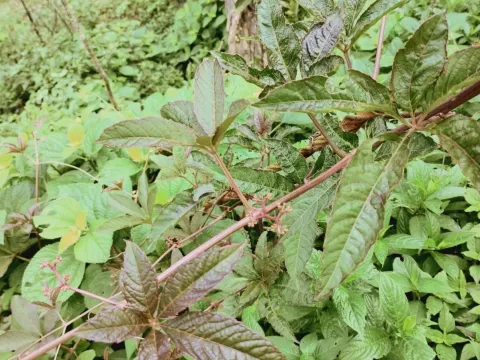
Cissus elongata
Cissus elongata
Cissus elongata is a perennial vine belonging to the Vitaceae family, widely recognized for its rapid growth and adaptation to tropical environments. As a climbing plant, it requires structural support to display its elongated stems effectively.
What the section contains
Cissus elongata
The plant thrives in bright, indirect light conditions. While it can tolerate some low-light levels, its vibrant foliage growth depends on adequate ambient light exposure throughout the day, preventing the stems from becoming thin and weak.
Soil requirements for Cissus elongata emphasize drainage and moisture retention. A standard potting mix amended with perlite or coarse sand ensures that the root system remains well-aerated while preventing the risk of waterlogging after irrigation.
Optimal growth occurs at temperatures ranging between 20°C and 26°C. The species is sensitive to cold drafts and sudden drops in temperature, which can trigger leaf drop and stunt the overall development of the vine during the active growing season.
Consistent watering is vital, yet it must be balanced carefully. The plant prefers keeping the soil slightly moist, but allowing the top inch of the medium to dry out before the next watering session is critical for maintaining root health.
Spider mites are the most frequent pest challenge for Cissus elongata, especially in indoor environments with low humidity. These pests feed on sap, leading to foliage discoloration and loss of vitality in the plant.
Root rot caused by fungal pathogens is a significant threat when soil drainage is insufficient. Excessive moisture around the roots invites decay, which can quickly compromise the plant's vascular system if not addressed with immediate repotting.
Mealybugs can often hide in the leaf axils, making them difficult to detect until an infestation is well established. Regular inspections of the undersides of leaves and stems are recommended to identify these pests at their early stages.
Nutritional imbalances, such as nitrogen deficiency, can manifest as yellowing of older leaves, while excessive salt buildup from fertilizers can burn the sensitive root tips. Utilizing balanced, water-soluble fertilizers at half-strength is the safest approach.
Effective pest and disease management centers on maintaining a clean environment and ensuring good air circulation around the vine. Removing affected parts and applying appropriate horticultural oils can help manage persistent pest populations.