
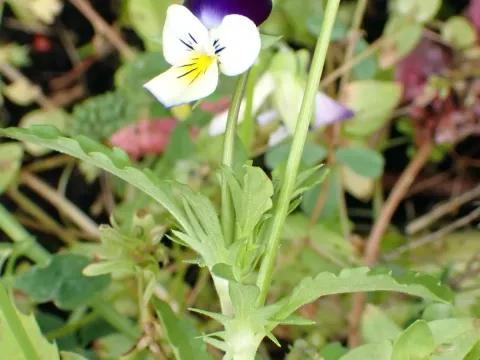
Williams violet
Viola williamsii
Williams violet (Viola williamsii) is a hybrid perennial species classified within the Violaceae family, developed for ornamental garden use.
What the section contains
Williams violet
Propagation is typically conducted via seeds, which are sown in late winter or early spring in a greenhouse environment to ensure optimal germination.
Seeds should be thinly spread over a well-drained sterile mix and lightly covered, as light is often a factor in successful seedling emergence.
Transplanting into the garden soil occurs when temperatures stabilize in late spring, allowing the plants to establish before the onset of extreme summer heat.
Proper spacing, generally around 8–10 inches apart, is critical to ensure sufficient airflow, which prevents many common botanical issues during growth.
The plant thrives in fertile, well-draining soils with a slightly acidic to neutral pH, requiring high levels of organic matter for maximum vitality.
It prefers locations with partial shade, particularly where plants can receive morning sun but are protected from the intense heat of the afternoon.
Consistent soil moisture is essential; however, the soil must not be waterlogged, as poor drainage is the primary cause of root-related failures.
Regular fertilization with balanced liquid nutrients during the active growing season supports continuous blooming and robust leaf development.
Mulching around the base of the plant can help regulate soil temperature and retain moisture, which is beneficial during drier periods of the season.
Powdery mildew represents a significant threat to Williams violet, often appearing as a white dusting on leaves due to stagnant air conditions.
Root rot is a common fungal disease that arises from overwatering and poor drainage, frequently leading to the collapse of the entire plant system.
Aphids are the most common insect pests, feeding on the undersides of leaves and weakening the plant, which may reduce its overall flowering capacity.
Spider mites may infest the plant during prolonged dry and hot weather, causing stunted growth and yellowing of the foliage.
Integrated pest management, including regular inspection and the use of insecticidal soaps, is recommended to maintain plant health throughout the year.