
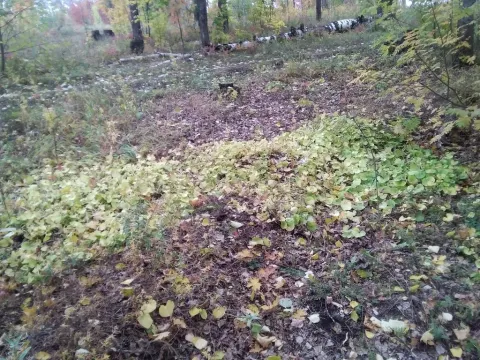
Wonder violet
Viola mirabilis
Viola mirabilis is a perennial plant that is primarily propagated through seeds, typically sown in autumn to allow for natural winter stratification.
What the section contains
Wonder violet
For spring sowing, cold treatment of seeds is essential, as they require a dormancy-breaking period in cool conditions to ensure consistent germination.
Seeds should be sown in a light, well-draining substrate, covered only thinly with soil, as they require stable moisture levels to successfully sprout.
The development of the plant is slow during the first season, focusing on establishing a robust root system and a basal rosette of heart-shaped leaves.
Given its forest-origin, the species thrives when sown in sheltered areas protected from direct, scorching sunlight during the early germination stages.
As a member of the Violaceae family, this species requires humus-rich, loose, and moist soil that mimics the environment of a woodland floor.
The plant is highly adaptable to temperate climates and shows excellent frost resistance, making it suitable for shaded garden corners or woodland beds.
Effective drainage is crucial; although the plant enjoys consistent soil moisture, it cannot tolerate waterlogging, which often causes root rot.
The species is botanically fascinating due to its cleistogamy, where it produces non-opening, self-pollinating flowers alongside its showy spring blooms.
Maintenance involves minimal intervention, provided the site offers consistent shelter and avoids extreme soil compaction throughout the growing season.
Pathogenic fungi, particularly those causing leaf spot and powdery mildew, pose the most significant risk to the plant during humid, stagnant conditions.
To prevent disease outbreaks, gardeners should ensure proper spacing between plants to maintain airflow and avoid wetting the foliage during evening watering.
Slugs and snails are the most common pests, as they are attracted to the succulent, shade-grown foliage, often causing significant aesthetic damage.
Integrated pest management, including physical barriers or biological controls, is recommended over heavy chemical reliance for this perennial crop.
If fungal infection occurs, standard fungicidal treatments approved for ornamental perennials can be applied, provided the product labels are followed.