
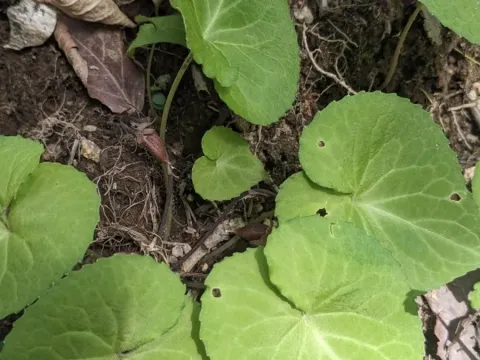
Ross's Violet
Viola rossii
Ross's Violet (Viola rossii) is a perennial herbaceous plant belonging to the Violaceae family. It is native to East Asia, primarily found in the forest regions of Korea and China, where it grows in cool and shaded environments.
What the section contains
Ross's Violet
The plant thrives in soil that is rich in organic matter, well-drained, and slightly acidic. It is essential to ensure that the site has sufficient moisture retention while avoiding waterlogged conditions which are detrimental to its root health.
Botanically, it features basal leaves and distinct flowers that bloom in the spring. Its compact growth habit makes it well-suited for understory planting and specialized medicinal herb gardens that mimic its natural habitat.
Temperature and light are critical factors for success: the plant requires sheltered spots with dappled sunlight. Full sun exposure can lead to leaf scorching and rapid moisture loss, significantly reducing the vigor of the plant.
In terms of usage, the species has a long history in traditional medicine, where extracts are utilized for their therapeutic benefits. Cultivation efforts are focused on providing optimal microclimatic conditions to ensure the production of high-quality plant material.
The primary threats to Viola rossii in cultivation are fungal pathogens, particularly root rot and powdery mildew, which thrive when airflow is restricted.
Garden pests such as slugs and snails are highly attracted to the tender foliage of the violet, especially during wet seasons, which can cause significant damage to the plant structure.
To mitigate these risks, gardeners should ensure adequate spacing between plants to facilitate air circulation and maintain strict cleanliness of the cultivation bed.
In case of pest infestations, using environmentally friendly barrier methods or organic repellents is recommended to protect the health of the plant population.
Monitoring for any discoloration or wilting symptoms is crucial, as early intervention remains the most effective strategy for managing diseases in a professional growing environment.