
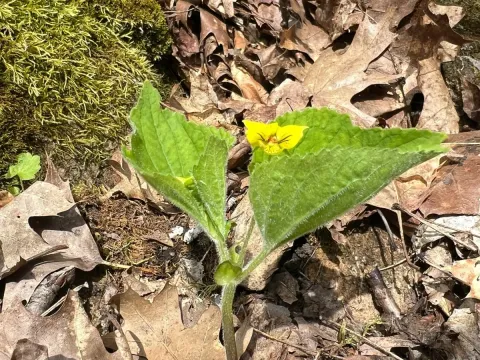
Downy yellow violet
Viola pubescens
Sowing Downy yellow violet (Viola pubescens) in nurseries typically occurs in late autumn, as the seeds require a period of cold stratification to break dormancy.
What the section contains
Downy yellow violet
The optimal time for outdoor sowing is October or November, when soil temperatures remain consistently low, preventing premature germination before winter.
For greenhouse or container production, seeds should be stratified artificially in a refrigerator at approximately +4°C for 6 to 8 weeks before sowing.
To improve germination uniformity, seeds can be pre-treated with growth regulators, which helps ensure a more vigorous emergence during the spring season.
Seeds must be sown at a shallow depth of no more than 0.5 cm, as they require indirect light to stimulate successful sprouting and development.
Belonging to the Violaceae family, this species thrives in humus-rich, woodland-type soils that maintain a consistent level of moisture throughout the season.
As a shade-tolerant perennial, the Downy yellow violet performs best in partial shade, where it is protected from the intensity of direct midday sunlight.
The plant requires a well-draining, loose soil structure with a slightly acidic to neutral pH, which supports healthy root respiration and nutrient uptake.
Regular irrigation is necessary during dry spells; however, gardeners must prevent waterlogging, as the roots are highly susceptible to decay in stagnant conditions.
Native to eastern North America, the species is naturally adapted to temperate environments characterized by distinct seasonal transitions and moderate humidity.
Fungal pathogens such as powdery mildew and various leaf spot diseases are the primary threats, especially when air circulation is poor or humidity is excessive.
Root rot is a common issue resulting from heavy, compacted soil or overwatering, which necessitates the use of high-quality, well-draining potting media.
Slugs and snails are major pests, frequently grazing on the tender foliage of the violet, particularly during periods of frequent rainfall or cool, damp weather.
Aphids and spider mites may also infest the plants, particularly in overcrowded settings, leading to stunted growth and reduced ornamental value of the flowers.
Effective management involves regular sanitation by removing dead foliage and utilizing preventive organic fungicides to maintain plant health throughout the season.