
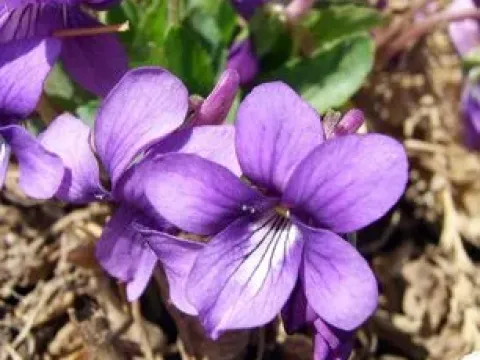
Philippine violet
Viola philippica
Sowing seeds of the Philippine violet (Viola philippica) is typically scheduled for the autumn period. This timing is crucial as it facilitates natural seed stratification, which significantly improves the germination rate and vigor in the following spring.
What the section contains
Philippine violet
In temperate climates, the ideal time for planting is between September and October. For indoor or greenhouse propagation, seeds can be sown in late winter, provided they have been cold-treated in a refrigerator for several weeks to break dormancy.
The seeds are very small, necessitating a shallow sowing depth of no more than 0.5 to 1 centimeter. Because they are light-dependent for germination, it is important not to bury them too deeply in the substrate.
Maintaining constant moisture in the seedbed is essential during the initial weeks. Using a fine mist for irrigation helps keep the substrate damp without washing away or displacing the tiny seeds, ensuring uniform seedling emergence.
Once the seedlings have developed their first set of true leaves, they should be thinned or transplanted into individual containers. This prevents overcrowding and allows each plant to develop a strong root system before final placement in the field.
As a member of the Violaceae family, the Philippine violet thrives in partial shade. Excessive exposure to direct, intense sunlight can scorch the foliage and hinder the overall growth and physiological development of the crop.
The plant requires well-drained, fertile soil rich in organic matter. While it enjoys consistent moisture, it is highly sensitive to waterlogging, which often leads to root rot and other moisture-related fungal diseases.
Optimal soil acidity for Viola philippica cultivation is in the pH range of 6.0 to 7.0. Adding compost or well-rotted manure during site preparation helps to improve soil structure and provides the necessary nutrients for vigorous growth.
Temperature stability is vital for optimal vegetative growth, with an ideal range between 15°C and 22°C. While the plant possesses some frost tolerance, mulching is recommended in colder regions to protect the crown from freezing.
Effective weed control is a cornerstone of good agronomic practice for this crop. Because Philippine violets have limited competitive ability, keeping the growing area free of weeds is necessary to maximize yield and plant health.
The yield of the Philippine violet is determined by environmental conditions and management efficiency. Since it is primarily cultivated for its medicinal properties, careful handling during harvest is essential to maintain product quality.
Under optimal agronomic conditions, dry herbal biomass yields can reach 1.5 to 2 tons per hectare. The harvesting strategy must focus on gathering the leaves and flowers when the plant reaches its peak vegetative and reproductive maturity.
The timing of the harvest is critical; gathering should occur during the full bloom phase when the concentration of bioactive compounds is at its highest. This ensures that the raw material meets pharmaceutical or herbalist standards.
To encourage secondary growth after the initial harvest, growers often apply light mineral fertilization and ensure adequate irrigation. This allows for a potential second collection if the growing season is sufficiently long.
Optimizing plant spacing is an effective way to improve yield density. Proper distribution ensures that individual plants have enough resources to reach their maximum size while maintaining a manageable harvest process for the labor force.
The primary threats to Viola philippica plantations are fungal pathogens such as powdery mildew and gray mold, which are often exacerbated by high humidity and poor air circulation in the field.
Insect pests, including aphids and spider mites, pose a significant risk by sap-feeding on the tender leaves. These infestations can weaken the plants, stunt their growth, and reduce the overall quality of the herbal harvest.
Proactive management involves selecting well-ventilated planting sites and avoiding dense planting patterns that create microclimates favorable to fungi. Regular monitoring allows for early detection of pest or disease outbreaks.
Implementing a strict crop rotation program is necessary to minimize soil-borne pathogens. Rotating the Philippine violet with non-violaceous crops for at least three years significantly lowers the risk of soil disease accumulation.
The use of biological control agents is highly recommended, especially when the crop is destined for use as a medicinal herb, as this reduces chemical residues while protecting the environment and the end-user.
Harvesting is performed by manually cutting the above-ground biomass, leaving a few centimeters of stem above the soil to encourage potential regrowth. Using sharp, clean tools is vital to prevent damaging the plant's crown.
Once harvested, the material must be promptly cleaned of soil, weeds, and damaged leaves. Pre-drying in a shaded, airy location helps to reduce moisture content quickly and prevents the biomass from heating up or rotting.
Final drying should take place in a controlled environment with temperatures kept between 35°C and 40°C. Maintaining this range ensures that the sensitive chemical components of the plant are preserved effectively.
After the material has reached a stable moisture level of approximately 10-12%, it should be stored in opaque, airtight containers. This prevents exposure to light and moisture, both of which can degrade the quality of the product over time.
Regular quality control checks during storage are essential to ensure the absence of mold or pest damage, guaranteeing that the Philippine violet maintains its therapeutic efficacy until the point of sale or use.