
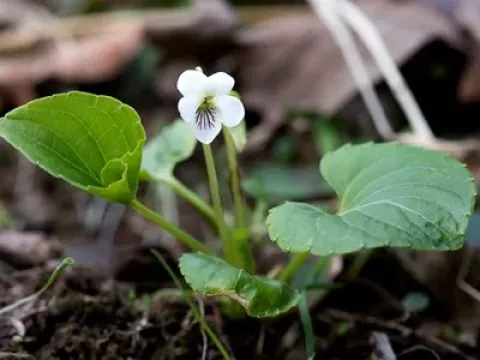
Northern white violet
Viola pallens
The northern white violet (Viola pallens) is a perennial herbaceous plant belonging to the Violaceae family. It is native to North America, where it thrives in moist, shaded environments such as woodlands and swamps.
What the section contains
Northern white violet
To cultivate this species successfully, it is essential to provide a location with consistent moisture. Unlike many garden flowers, it prefers semi-shaded spots where it is protected from intense, direct sunlight during the afternoon.
The soil should be rich in organic matter and maintain a slightly acidic to neutral pH. Proper soil aeration is crucial to prevent root rot while ensuring that the substrate does not dry out completely during summer.
The plant is highly cold-hardy, adapting well to temperate climates with distinct seasons. It enters a natural dormancy period during the winter and resumes growth as soon as the spring temperatures begin to rise.
Strategic mulching is a key agricultural technique for Viola pallens. Using organic materials like leaf mold helps retain soil humidity, regulates temperature, and creates an environment close to its natural forest habitat.
Root rot is the most significant threat to the northern white violet, especially in areas with poor drainage. Once the root system is compromised by excessive moisture, the plant often struggles to recover.
Slugs and snails represent major pests for this species. They are particularly active in damp, shady garden corners and can quickly cause significant damage to the lush foliage of the plants.
Aphids may occasionally infest the plant, specifically targeting the buds during the flowering season. Regular monitoring and the application of natural remedies can help keep pest populations under control.
Powdery mildew can appear if there is poor air circulation and high humidity around the plants. Ensuring proper spacing between individual plants is essential for maintaining optimal health throughout the growing season.
Fungal diseases are best managed through good hygiene practices, including the removal of dead or decaying plant material. Proactive care ensures that the violets remain healthy and vigorous year after year.