
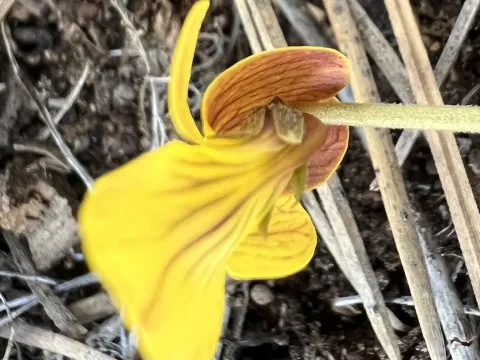
Purple violet
Viola purpurea
The propagation of Viola purpurea is typically achieved through seed sowing. To ensure successful germination, seeds require a period of cold stratification, which mimics the winter conditions of their native mountain habitats.
What the section contains
Purple violet
Seeds should be sown in late autumn in containers kept outdoors or in spring after 4–6 weeks of refrigeration. The sowing medium must be well-draining, consisting of a mix of potting soil and fine grit.
Surface sowing is recommended as seeds need light to germinate properly. A very light dusting of vermiculite or sand can help keep the seeds in place while allowing sufficient light to reach them.
Germination is usually slow and irregular, often occurring over several weeks. Consistent moisture is essential during this phase, though the soil should never become waterlogged to avoid seed decay.
Once seedlings have developed their first true leaves, they should be carefully pricked out into individual pots. Gradual acclimatization is necessary before moving them to a permanent outdoor location.
Viola purpurea, commonly known as the purple violet, is a perennial herb belonging to the Violaceae family. It is native to the western regions of North America, where it thrives in open, rocky, and well-drained slopes.
This species requires full sun to partial shade for optimal health. Exposure to direct sunlight is particularly important for the plants to maintain their distinctive purplish foliage color throughout the growing season.
Soil requirements are relatively minimal, provided the medium is free-draining. The plant is well-suited for rock gardens, scree beds, or gravelly slopes where other more demanding species might struggle.
The plant is noted for its drought tolerance once established. It thrives in temperate climates and is highly capable of surviving the temperature fluctuations typical of its original mountainous distribution.
In terms of maintenance, Viola purpurea is a low-care plant. Occasional weeding and deadheading spent flowers can encourage a tidy appearance and promote a longer flowering period during the spring.
Common issues affecting Viola purpurea include fungal infections such as powdery mildew. This typically occurs in crowded plantings where air circulation is restricted or humidity remains too high.
Pests like aphids and spider mites may occasionally infest the plants, particularly during periods of extreme heat or drought. Regular inspection and natural soap-based sprays are effective in managing minor outbreaks.
Root rot is a major threat to this species, primarily caused by waterlogged soil. Ensuring a gritty, well-draining substrate is the most effective preventative measure against these soil-borne pathogens.
Slugs and snails can cause significant damage to young foliage in the early spring months. Physical barriers, such as copper tape or crushed eggshells, are often effective in protecting young specimens.
Maintaining proper spacing between plants is crucial to prevent the spread of diseases. A clean gardening environment, free from decaying plant debris, will also help reduce the incidence of pests.