
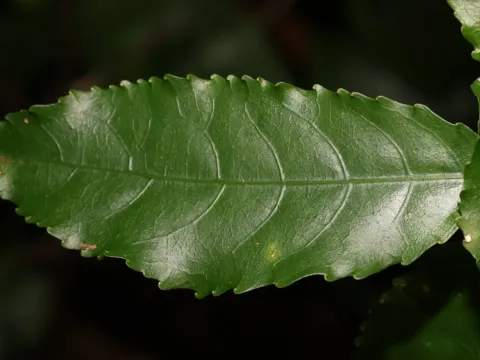
Melicytus
Melicytus
Melicytus is a genus of flowering plants in the family Violaceae, native primarily to New Zealand and the surrounding Pacific islands. These plants typically manifest as evergreen shrubs or small trees, known for their dense foliage and resilience in oceanic climates.
What the section contains
 Large-leaved melicytus
Melicytus macrophyllus
Large-leaved melicytus
Melicytus macrophyllus
 Melicytus alpinus
Melicytus alpinus
Melicytus alpinus
 Melicytus angustifolius
Melicytus angustifolius
Melicytus angustifolius
 Melicytus dentatus
Melicytus dentatus
Melicytus dentatus
 Melicytus micranthus
Melicytus micranthus
Melicytus micranthus
 Melicytus ramiflorus
Melicytus ramiflorus
Melicytus ramiflorus
 Narrow-leaved mahoe
Melicytus lanceolatus
Narrow-leaved mahoe
Melicytus lanceolatus
 Thick-leaved melicytus
Melicytus crassifolius
Thick-leaved melicytus
Melicytus crassifolius
Melicytus
Botanically, Melicytus species exhibit simple, alternate leaves and small, often fragrant flowers that produce berries. The structure of the plant makes it an excellent choice for windbreaks or as a structural component in ornamental garden design, provided the climate allows for its survival.
The cultivation requirements for Melicytus involve providing well-drained, fertile soil. The plants thrive in environments where moisture is consistent but standing water is avoided, as their roots are highly susceptible to saturation and subsequent decay in poorly aerated substrates.
Climate preferences for this genus are aligned with temperate regions that experience moderate winters. While some species show a degree of cold tolerance, they generally perform best in areas where extreme frost is absent, benefiting from protection in containers during severe winter spells.
Basic agronomic practices for Melicytus include seasonal fertilization to support healthy growth and periodic pruning to maintain a desirable shape. Mulching around the base of the plant helps retain soil moisture and suppresses weeds, contributing to the overall health and vigor of the specimen.
Root rot remains the most significant threat to Melicytus, usually triggered by improper watering practices or heavy, compacted soil. Once the root system is compromised, the plant struggles to uptake nutrients, leading to yellowing leaves and potential decline.
Pests such as scale insects and mealybugs frequently target the stems and leaf axils, draining sap and leaving the plant weakened. Integrated pest management strategies, including biological controls or targeted insecticides, are recommended to maintain plant health.
Powdery mildew is a common fungal issue that arises when air circulation is poor or humidity levels are disproportionately high. It manifests as a white, dusty layer on the foliage, which can be mitigated by ensuring adequate spacing between plants and thinning the canopy.
Spider mites can also become a problem during dry, hot spells. They cause foliage discoloration and stippling, significantly reducing the decorative value of the shrub. Increasing humidity or utilizing specific miticides is effective in managing these infestations.
Regular monitoring of plant health is essential for early intervention against biotic and abiotic stressors. By ensuring balanced nutritional intake and proper environmental conditions, growers can protect their Melicytus stands from the most common environmental and pathological challenges.