
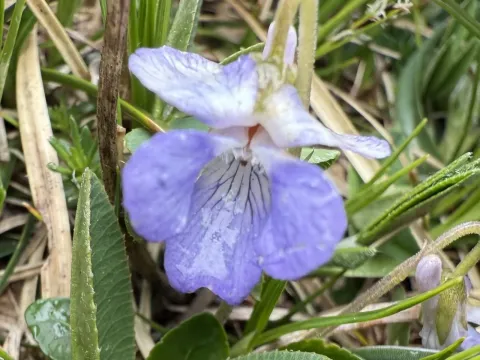
Pyrenean violet
Viola pyrenaica
The Pyrenean violet (Viola pyrenaica) is a member of the Violaceae family. In cultivation, it is primarily propagated either by seeds sown in early spring or autumn, or through vegetative division of the root system after the flowering phase.
What the section contains
Pyrenean violet
When starting from seeds, stratification is highly recommended to overcome dormancy and ensure successful germination. Seeds should be sown in a light, well-draining substrate and lightly covered, as they need minimal light to sprout effectively.
Vegetative division is best performed when the plant is dormant or immediately after flowering. This practice helps maintain the health of mature clumps and encourages more vigorous regrowth in the subsequent season.
Spacing during planting is critical; maintaining enough room between individual plants helps reduce the risk of humidity-related issues that often affect low-growing alpine species.
Seedlings typically require a period of steady growth during their first year, focusing on establishing a strong root system before they produce their full display of flowers in the second year.
Native to the mountainous regions of Europe, specifically the Pyrenees, this plant is well-adapted to cool, temperate climates. It thrives best in environments where seasonal temperature fluctuations remain within moderate limits.
Cultivation requires fertile, loamy, or sandy soils that possess excellent drainage. While the plant appreciates consistent moisture, it is highly intolerant of waterlogged soil conditions, which can lead to root degradation.
The species prefers semi-shaded locations with bright, indirect sunlight. Protecting the foliage from intense midday sun is essential to prevent wilting and preserve the deep color of its leaves and flowers.
Regular watering is necessary during the active growing season, especially in periods of low rainfall. However, gardeners must ensure the water does not accumulate around the crown of the plant to prevent rot.
The plant demonstrates significant winter hardiness. Mulching with organic matter such as compost or wood chips can offer extra protection against frost heaving, especially in regions with inconsistent snow cover.
Root rot and crown rot are the most common diseases, usually triggered by improper watering practices, poorly drained soil, or overly humid growing conditions that restrict airflow.
Powdery mildew may manifest as a white coating on the leaves, particularly in crowded planting scenarios where air circulation is insufficient. Thinning out older plants can help mitigate this risk.
Slugs and snails are the primary invertebrate pests that target the Pyrenean violet. They feed on the succulent leaves and flower buds, potentially disfiguring the plant entirely in a short timeframe.
Aphids can occasionally colonize young stems and buds. While usually not fatal, their feeding habits can weaken the plant and may encourage the development of sooty mold on the foliage.
Integrated pest management strategies, such as physical barriers for mollusks and regular site inspection, are generally more effective than chemical treatments for this delicate alpine species.