
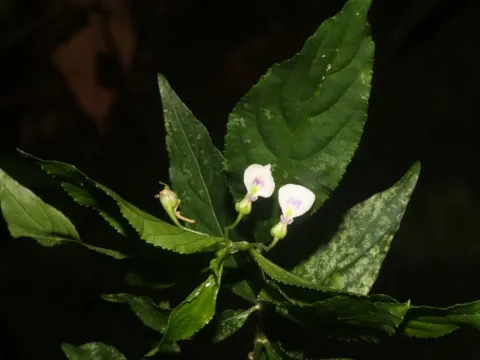
Pombalia
Pombalia
Sowing Pombalia seeds is best performed in early spring once soil temperatures reach a stable 15–18 degrees Celsius. To ensure maximum germination rates, it is highly recommended to use stratified seeds, which helps simulate natural winter dormancy.
What the section contains

Pombalia
When starting indoors, use a well-draining, nutrient-rich potting mix and sow seeds at a depth of approximately 0.5 to 1 centimeter. Covering the seed trays with a clear plastic lid or film will help maintain the consistent humidity required for successful germination.
For outdoor planting, wait until all risks of frost have passed, usually late May in temperate climates. Hardening off the seedlings over a period of two weeks before transplanting is essential to help them acclimate to the outdoor environment.
Space the plants about 20 to 30 centimeters apart to allow for proper airflow and development. Adequate spacing is crucial to prevent the overcrowding that can lead to stem elongation and reduced flowering potential in later stages of growth.
Immediately after planting, water the area thoroughly to settle the soil around the roots. Adding a layer of organic mulch will help retain soil moisture, regulate root-zone temperature, and minimize the growth of competing weeds during the early establishment phase.
Pombalia is a genus of herbaceous plants and small shrubs belonging to the Violaceae family. These plants are native to the tropical and subtropical regions of the Americas, where they thrive in diverse, warm environments.
The ideal growing location for Pombalia receives plenty of bright, indirect sunlight throughout the day. Direct, intense afternoon sun should be avoided as it can cause leaf scorch and dehydration, particularly in young or potted plants.
Well-draining, fertile soil with a slightly acidic to neutral pH is perfect for healthy growth. If your local soil is heavy or prone to waterlogging, it is vital to incorporate perlite, sand, or compost to improve drainage and aeration for the root system.
A temperature range of 20 to 25 degrees Celsius is optimal for sustained growth. Exposure to cold drafts or rapid, extreme fluctuations in temperature should be avoided, as these conditions can stress the plant and lead to stunted growth or poor flowering.
Regular fertilization during the active growing season is beneficial, preferably using a balanced liquid fertilizer with lower nitrogen content. This approach supports vigorous root development and encourages the production of blossoms rather than excessive foliage.
Like many plants in the Violaceae family, Pombalia is susceptible to powdery mildew, especially if air circulation is poor. Maintaining adequate spacing and avoiding overhead watering can significantly reduce the risk of this common fungal infection.
Pests such as spider mites and aphids are the most frequent visitors, thriving in dry, warm indoor environments. Routine inspection of the underside of leaves and keeping humidity levels balanced can help mitigate infestations before they become severe.
Root rot is a major threat often caused by overwatering or poor drainage systems. If the soil remains saturated for too long, the roots will begin to decay, leading to wilting and eventual death of the plant; always ensure the topsoil dries slightly between waterings.
In outdoor settings, general leaf-chewing insects can cause cosmetic damage. While not usually fatal, severe outbreaks may require the use of organic insecticidal soaps to maintain plant vigor and appearance throughout the flowering season.
Regular maintenance, including the removal of dead or yellowing foliage, is essential for plant hygiene. Keeping the base of the plant free from debris prevents moisture accumulation and reduces the breeding grounds for common fungal pathogens and pests.