
Diffuse violet
Viola diffusa
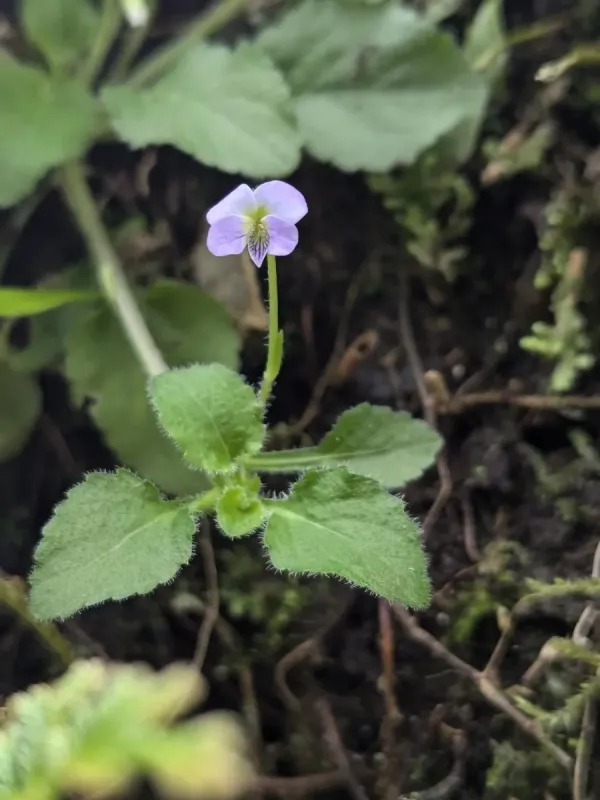
Description
Sowing dates
Sowing of Diffuse violet seeds is best performed during the spring season when the soil temperature consistently reaches 12–15 degrees Celsius.
For container-grown seedlings, seeds should be sown in late February or March in a nutrient-rich, light growing medium to ensure robust growth.
Seed stratification in cold temperatures can significantly improve germination rates and uniformity for large-scale field plantings.
Seeds should be covered with a very thin layer of soil, approximately 0.5 centimeters, as they require sufficient light to stimulate early development.
Keeping the seedbed moist is crucial during the initial stages of germination to prevent the drying out of delicate sprouts.
Growing requirements
As a member of the Violaceae family, this crop thrives in well-drained, fertile soils with a pH range between 5.5 and 6.5 for optimal growth.
The plant prefers areas with partial shade, as intense direct sunlight can lead to leaf scorching and overall stress during the growing period.
Consistent soil moisture is essential for this species, necessitating a well-managed irrigation system, especially during periods of drought.
Incorporating organic matter such as compost or peat into the soil structure helps improve aeration and moisture retention capacity.
Moderate temperatures ranging from 18 to 22 degrees Celsius support the best vegetative development and ensure high productivity of the crop.
Main diseases and pests
Root rot caused by poor soil drainage and waterlogging is a primary threat that can lead to significant crop failure if not managed correctly.
Powdery mildew may occur in conditions of high humidity and poor air circulation, necessitating spacing adjustments between plants.
Gastropods, including slugs and snails, are frequent pests that damage young foliage, particularly during the wet spring months.
Aphid infestations on flower buds can severely limit plant vigor and lead to the transmission of viral diseases among the crop.
Integrated pest management, including regular weeding and adequate site maintenance, is recommended to minimize the reliance on chemical controls.
Harvesting
Harvesting should be conducted at the peak of the flowering stage, ensuring the plant has reached its maximum potency and nutrient density.
Cutting the aerial parts of the plant requires precision to avoid damaging the crown and to allow for potential secondary growth later in the season.
Post-harvest processing involves drying the plant material in well-ventilated, shaded areas to maintain its botanical integrity and color.
Controlled drying temperatures below 40 degrees Celsius are essential to prevent the degradation of heat-sensitive active compounds within the foliage.
Proper storage in moisture-proof containers in a cool, dark location ensures the longevity and quality of the harvested crop for commercial use.